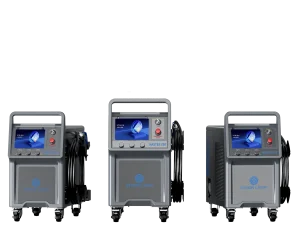
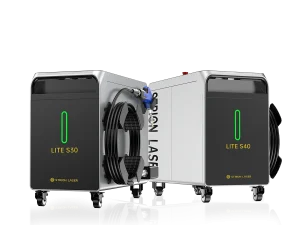
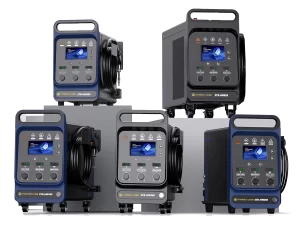
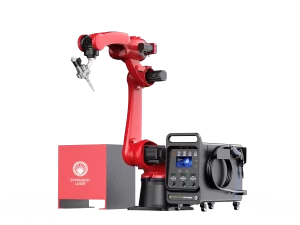
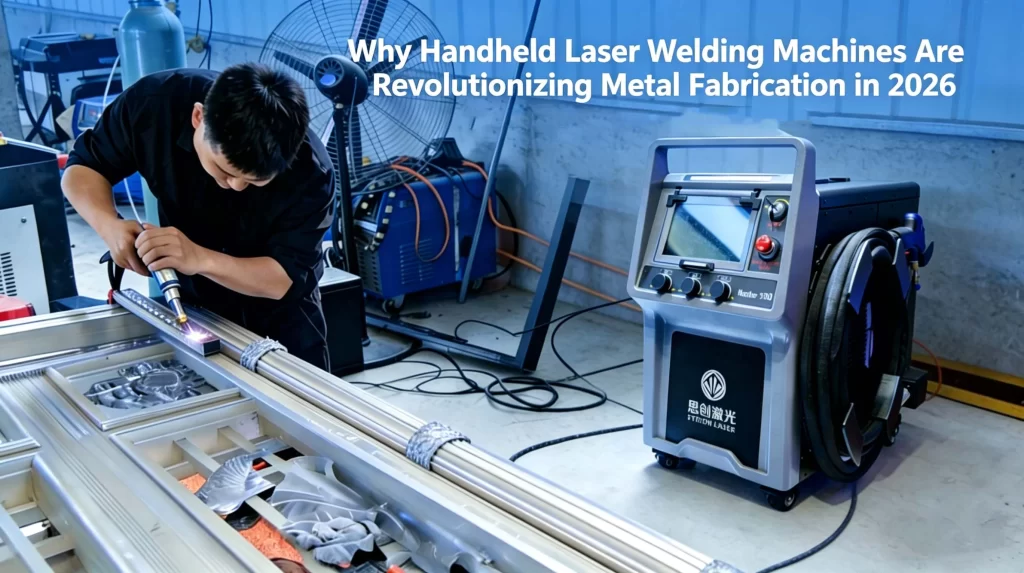
Why Handheld Laser Welding Machines Are Revolutionizing Metal Fabrication in 2026
In today’s fast-paced manufacturing environment, metal fabrication companies are under increasing pressure to improve efficiency, reduce labor costs, and deliver flawless weld quality. At the same time, many factories are facing a growing shortage of experienced welders and rising production costs. Against this backdrop, the handheld laser welding machine has rapidly become one of the most transformative technologies in modern fabrication.
Compared with traditional TIG and MIG welding, handheld fiber laser welders offer significantly faster speed, cleaner weld seams, lower heat distortion, and dramatically reduced training requirements. For manufacturers focused on ROI and scalable production, this technology is no longer optional—it is becoming essential.
This article explores why handheld laser welding machines are revolutionizing the industry and how they can help optimize your production line.
The Challenges of Traditional Welding Methods
For decades, TIG and MIG welding have been widely used across industries such as automotive manufacturing, sheet metal processing, furniture fabrication, and stainless steel applications. While these methods remain reliable, they come with several operational limitations.
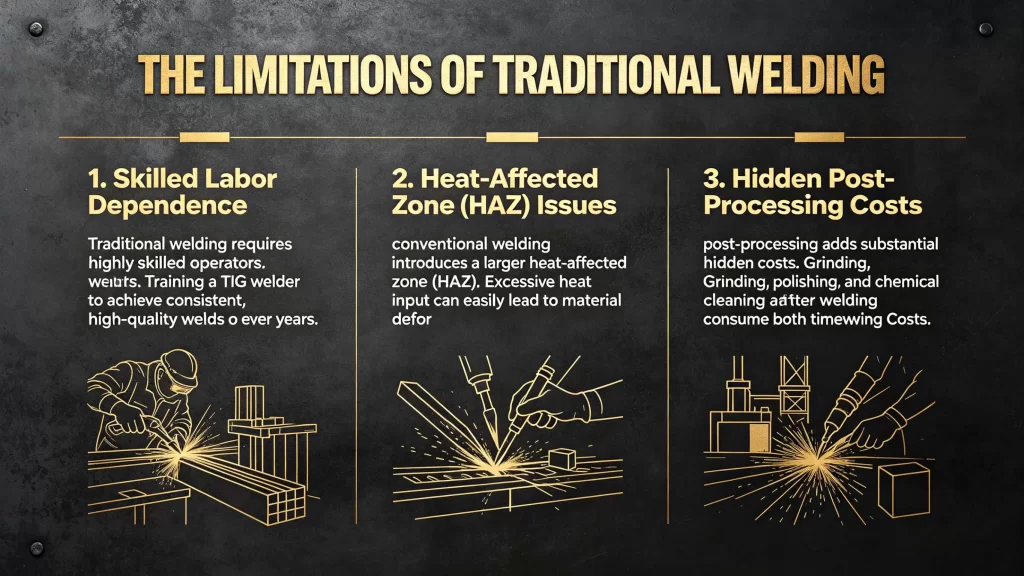
First, traditional welding requires highly skilled operators. Training a TIG welder to achieve consistent, high-quality welds often takes months or even years. As labor costs continue to rise globally, this dependence on experienced technicians significantly impacts profitability.
Second, conventional welding introduces a larger heat-affected zone (HAZ). Excessive heat input can easily lead to material deformation, burn marks, and visible oxidation, especially when working with thin stainless steel, aluminum, or galvanized sheets.
Third, post-processing adds substantial hidden costs. Grinding, polishing, and chemical cleaning after welding consume both time and labor, reducing overall production efficiency.
Why Handheld Laser Welding Machines Deliver Better ROI
A handheld laser welding machine is more than just an equipment upgrade—it is a strategic investment in manufacturing efficiency.
Lower Labor Costs and Faster Training
One of the biggest advantages of handheld laser welding is ease of operation. Unlike TIG welding, which requires precise hand coordination and years of experience, laser welding is far more intuitive.
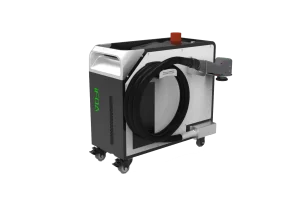
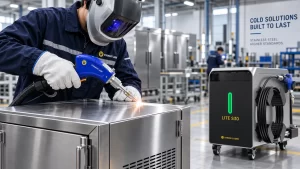
With a simple handheld welding head and automated wire feeding system, even new operators can produce professional-grade weld seams after only a few hours of training.
This dramatically reduces reliance on high-cost skilled welders and lowers long-term labor expenses.
Up to 4X Faster Welding Speed
Speed is one of the most compelling reasons manufacturers switch to fiber laser welders.
The high-energy-density laser beam melts metal instantly and creates deep penetration in a single pass. In many industrial applications, handheld laser welding is 2 to 4 times faster than TIG or MIG welding.
For production lines handling repetitive seams, this translates directly into:
- higher throughput
- shorter lead times
- increased daily output
- faster order fulfillment
Minimal Heat Distortion and Better Appearance
Because laser energy is highly concentrated, the surrounding material receives minimal heat exposure.
This results in:
- very small heat-affected zones
- reduced deformation
- cleaner weld appearance
- minimal discoloration
For visible products such as stainless steel cabinets, furniture frames, and decorative panels, this cosmetic advantage is extremely valuable.
Handheld Laser Welder vs TIG Welding
When comparing a handheld laser welder vs TIG welding, the performance gap is becoming increasingly clear.
Laser welding offers:
- faster welding speed
- easier operation
- lower training threshold
- less post-processing
- superior seam consistency
TIG welding still has advantages in certain ultra-precision or specialty applications, but for most commercial metal fabrication work, laser welding provides better overall efficiency and ROI.
This is especially true for manufacturers handling medium-volume to high-volume production.
Best Applications for Handheld Fiber Laser Welders
Handheld laser welding machines are highly versatile and suitable for a wide range of materials and industries.
Stainless Steel Welding
Ideal for:
- kitchen equipment
- cabinets
- handrails
- decorative panels
- pressure vessels
The laser produces bright, narrow seams with minimal oxidation.
Aluminum Alloy Welding
Widely used in:
- automotive components
- bicycle accessories
- wheelchair parts
- structural frames
The concentrated beam helps reduce distortion commonly seen in traditional welding.
Carbon Steel and Galvanized Steel
Suitable for:
- sheet metal fabrication
- industrial enclosures
- machinery parts
- vehicle accessories
This makes it a preferred solution for contract manufacturers and OEM suppliers.
Why Choose STRION LASER
At STRION LASER, we specialize in advanced industrial laser welding solutions for global manufacturers.
Our handheld laser welding systems are designed for:
- continuous industrial operation
- stable power output
- ergonomic user experience
- long service life
- multi-material compatibility
Whether you are welding stainless steel, aluminum, or galvanized sheets, STRION LASER provides scalable solutions tailored to your production needs.
Our technical team also offers welding sample testing and process support to help customers achieve the best possible results.
Final Thoughts
The handheld laser welding machine is rapidly becoming the new standard in modern metal fabrication.
With advantages such as 4X faster speed, reduced labor dependency, minimal heat distortion, and excellent weld appearance, it offers a clear path toward higher efficiency and stronger ROI.
For manufacturers looking to stay competitive in 2026 and beyond, investing in handheld fiber laser welding technology is a smart strategic move.
Contact STRION LASER today for a free sample welding test and customized ROI consultation.
Contact STRION LASER
📞 +028-85812068
🌐 www.strlaser-en.com
📧 str@strlaser.com