Handheld Laser Welding Machine for Battery Manufacturing: A Real Customer Case from China
As demand for electric vehicles continues to grow, power battery manufacturers are under pressure to produce more components without compromising welding quality.
For companies supplying battery structural parts, welding is a critical step. Poor equipment reliability, inconsistent welds or too much post-welding grinding can slow down the entire production line.
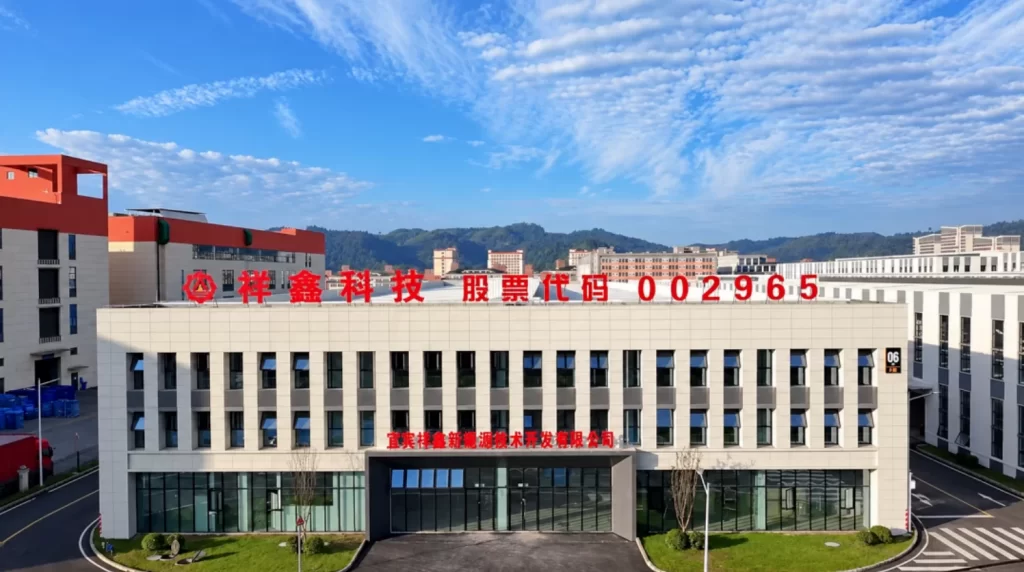
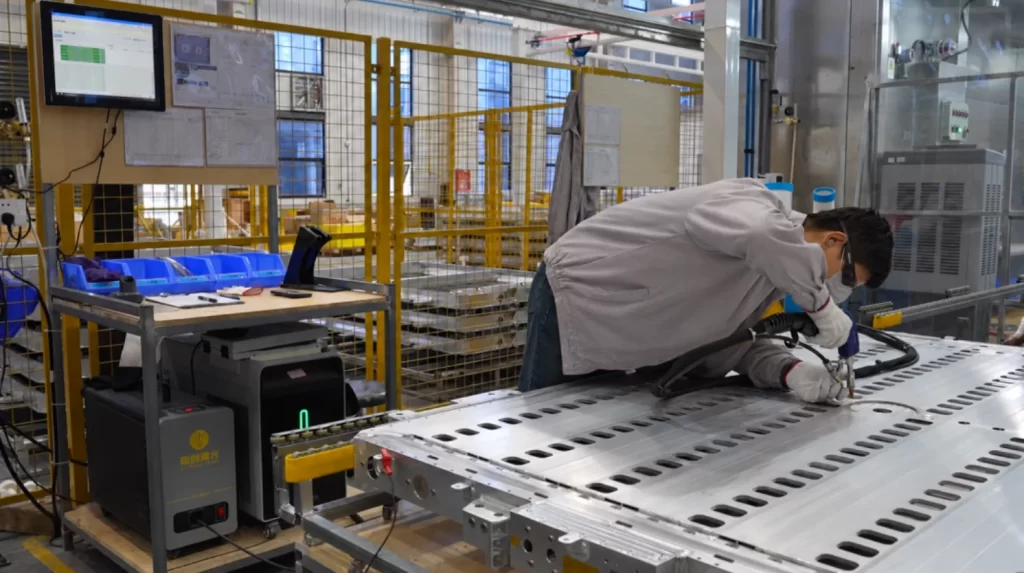
Yibin Xiangxin New Energy Technology Development Co., Ltd. faced these challenges in its daily production. Today, more than 30 STRION LASER LITE S series handheld laser welding machines are in operation at its factory, welding structural components for the power battery industry.
Why Did Yibin Xiangxin Change Its Welding Equipment?
Yibin Xiangxin specializes in manufacturing structural components for the power battery industry, supplying parts to CATL’s Yibin manufacturing base.
As orders increased, the company needed a welding process that could keep up with production while maintaining consistent product quality.
Previously, the factory used friction stir welding and MIG/MAG welding for certain applications. Both processes placed considerable demands on operator experience. The company also encountered problems with externally assembled welding machines, including frequent equipment failures and unstable operation.
These issues affected production schedules and made it harder to maintain consistent output.
The factory began looking for a more practical solution: equipment that was easier to operate, more stable during production and capable of delivering good weld results with less finishing work.
More Than 30 STRION LASER LITE S Machines Now in Production
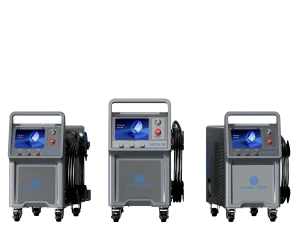
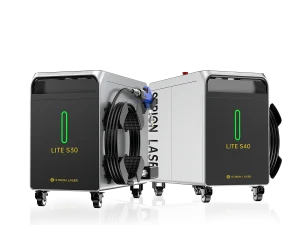
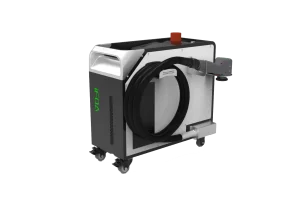
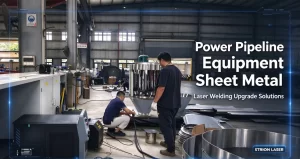
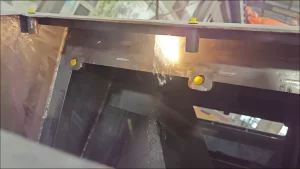
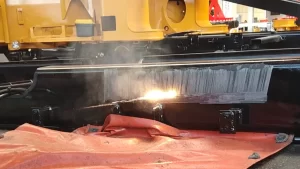
After evaluating its production needs, Yibin Xiangxin introduced more than 30 STRION LASER LITE S series handheld laser welding machines.
The machines are now used in the customer’s battery component production workshop.
For the factory, the change was not simply about adopting a different welding technology. It was also about making daily welding work easier to manage.
Yang Dazhi, Production Manager at Yibin Xiangxin, shared his experience:
“STRION LASER’s equipment operates reliably and is easy to use, with a short learning curve. Since putting the machines into production, we have seen improvements in both production efficiency and product quality, while overall costs have also decreased.”
This feedback reflects what the customer values most: stable operation, straightforward controls and better overall production results.
What Makes the LITE S Handheld Laser Welding Machine Different?
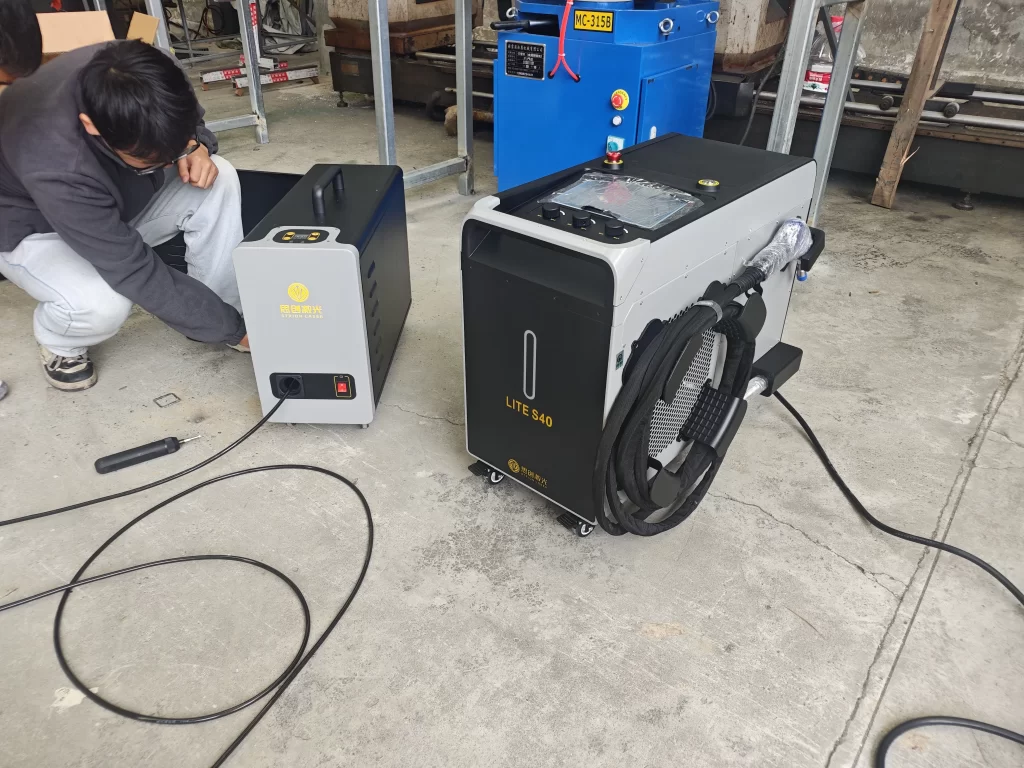
In a busy production workshop, a welding machine needs to do more than produce a good weld on a sample workpiece. It must also perform consistently throughout the working day, and operators need to feel comfortable using it.
The LITE S series addresses these requirements through its cooling system and handheld torch design.
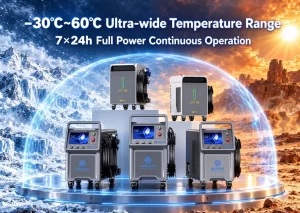
Refrigerant Direct Cooling for Extended Operation
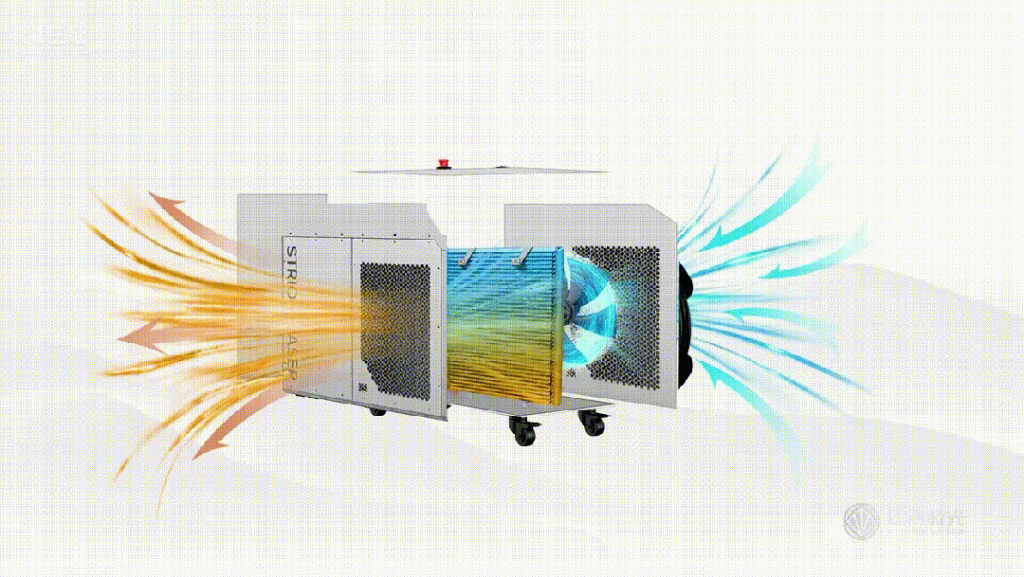
Heat management is important when a laser welding machine runs for long periods.
The LITE S series uses STRION LASER‘s refrigerant direct-cooling technology. Unlike conventional water-cooling systems that transfer heat through an intermediate water circuit, this design uses refrigerant to remove heat from the laser source.
The system eliminates the need for routine water-circuit maintenance such as refilling, water replacement and descaling.
For factories running multiple welding machines, cooling-system maintenance and equipment availability are important considerations. A simpler cooling arrangement can make routine equipment management easier.
A Torch Designed to Control Temperature Rise
The welding torch also deserves attention, especially during prolonged welding at higher power levels.
Excessive heat around optical components can affect beam characteristics and focal conditions, potentially changing weld penetration and bead width.
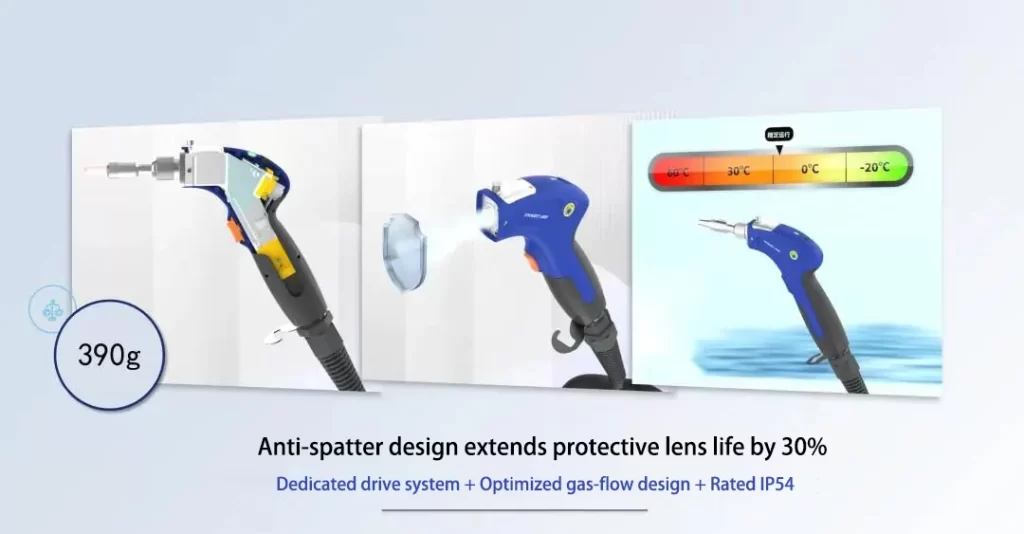
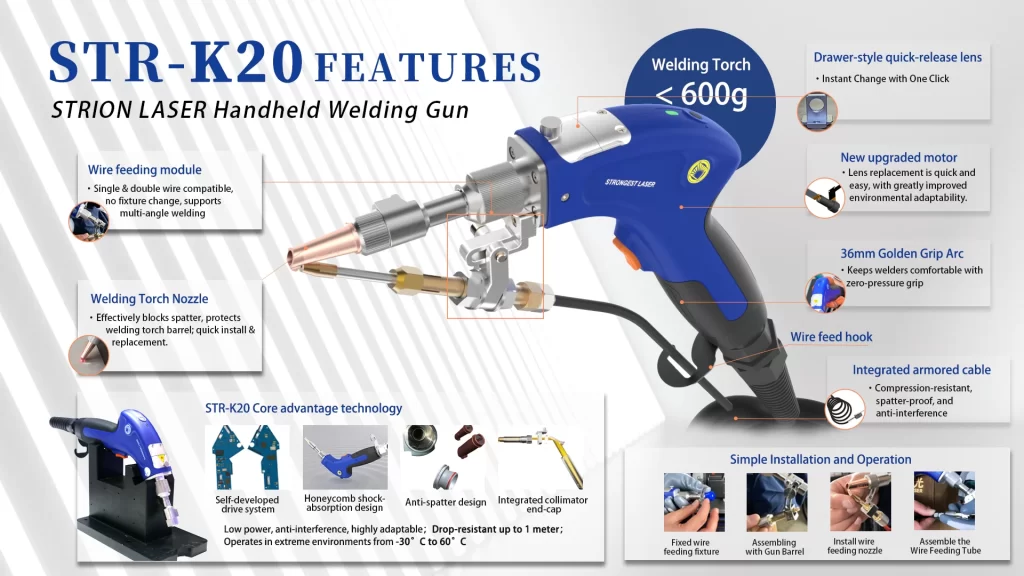
The LITE S series uses STRION LASER’s integrated collimation-cap design. The enlarged optical aperture improves optical coupling efficiency, while the larger cap surface helps dissipate heat through natural air convection.
In STRION LASER’s internal testing, the torch output head showed a temperature rise of less than 10°C under continuous 3,000 W output, approximately 60% lower than the company’s conventional design benchmark.
The torch does not require an additional cooling system.
Lightweight Torch for Everyday Welding Work
Operators spend hours holding and moving a welding torch. Its weight and grip can make a noticeable difference during repetitive work.
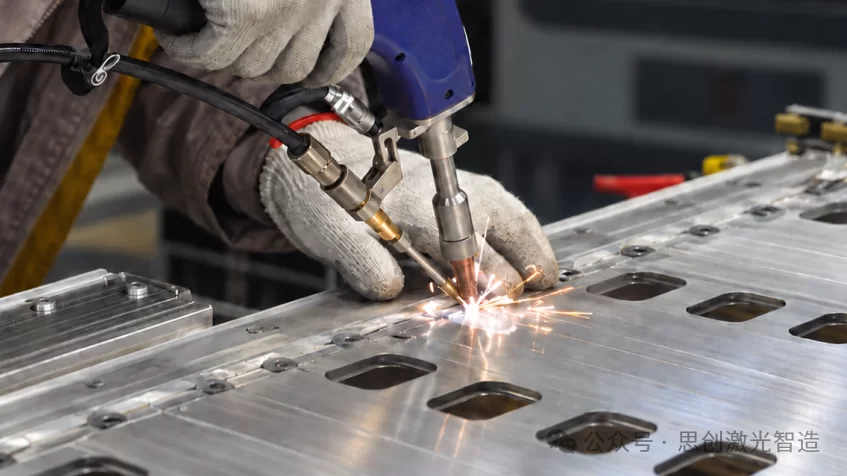
The LITE S torch features a lightweight design to make handling easier and reduce arm fatigue during extended operation.
Operators at Yibin Xiangxin also noticed this difference. Compared with their previous equipment, they found the STRION LASER handheld laser welding machine lighter and more comfortable to hold.
Better-Looking Welds, Less Grinding
One of the comments from the customer’s workshop operators was particularly practical: the welds looked better, and less grinding was needed afterward.
This matters in battery component manufacturing, where welding is only one step in the production process. Every additional finishing operation takes time and labor.
A well-matched laser welding process can produce neat weld seams and reduce post-welding finishing work in suitable applications.
The final result still depends on the material, thickness, joint design, fit-up and welding parameters. Testing actual workpieces is the best way to determine whether laser welding is suitable for a particular production process.
Is a Handheld Laser Welding Machine Suitable for Battery Components?
Handheld laser welding is worth evaluating for manufacturers working with metal enclosures, structural parts, frames and other fabricated components used in the battery industry.
Before replacing an existing welding process, manufacturers should consider:
- Material type and thickness.
- Joint configuration and required penetration.
- Production volume and welding cycle time.
- Required weld appearance and inspection standards.
- Operator training and workshop conditions.
- The amount of post-welding grinding and finishing.
For some applications, handheld laser welding can simplify operations and reduce finishing work. For others, conventional welding or automated welding may remain the better option.
A sample test using the customer’s actual workpieces can help establish the right process before full-scale production.
STRION LASER and Yibin Xiangxin: A Practical Application in the New Energy Industry
The cooperation with Yibin Xiangxin is another example of handheld laser welding being used in the power battery supply chain.
With more than 30 LITE S series machines now operating in the customer’s factory, STRION LASER is supporting the welding of battery structural components with equipment developed and manufactured in-house.
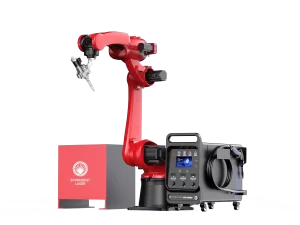
STRION LASER will continue working with manufacturing partners to improve laser welding technology and explore more applications in the new energy industry, including digital and automated production.
Need a handheld laser welding machine for battery components or other metal fabrication work?
Send us your material samples, thickness requirements and workpiece drawings. STRION LASER can help evaluate the welding process and arrange a sample test.
Contact STRION LASER
📞 +028-85812068
🌐 www.strlaser-en.com
📧 str@strlaser.com