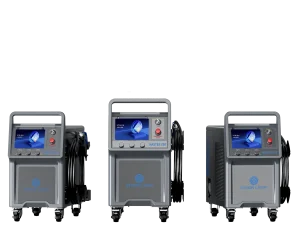
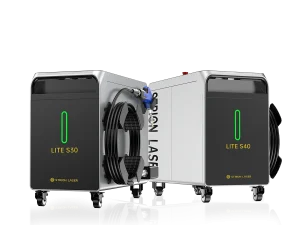
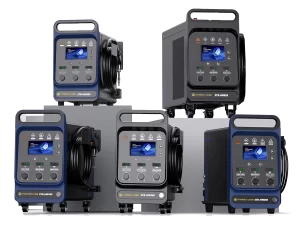
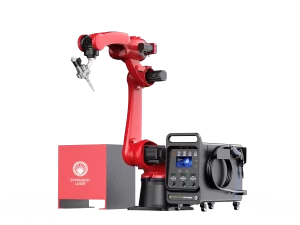
Master X80 Laser Cleaning Machine for Rust Removal in Enclosed Steel Structures
Rust removal inside enclosed steel structures is a difficult job. Large steel frames, hollow components and fabricated structures often have narrow corners and internal surfaces that are hard to reach with conventional cleaning tools.
Sandblasting requires space for equipment, abrasive media recovery and dust control. Grinding is difficult to perform in tight cavities and can remove base material. Chemical stripping introduces additional handling and waste-disposal requirements.
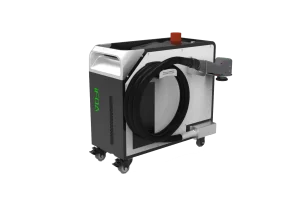
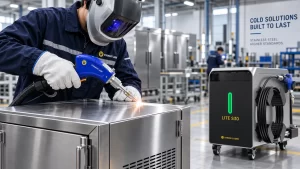
The STRION LASER Master X80 laser cleaning machine offers a non-contact approach to rust removal in hard-to-reach areas. With a handheld cleaning gun and optional extended fiber cable, it can help operators clean selected internal surfaces without relying on abrasive blasting media or chemical stripping agents.
For steel fabricators and maintenance teams, the key question is not just how quickly rust can be removed. It is how to reach the problem area while keeping the cleaning process practical and controlled.
Why Is Rust Removal in Enclosed Steel Structures So Difficult?
Enclosed steel components create challenges that are easy to underestimate until cleaning begins.
Rust may develop inside hollow section behs,ind structural ribs, around welds and in narrow internal corners. These areas can be difficult to inspect and even harder to clean consistently.
Sandblasting Has Access and Dust-Control Limitations
Abrasive blasting is widely used for preparing large steel surfaces. However, cleaning inside enclosed cavities requires suitable access, ventilation, abrasive recovery and dust control.
In narrow spaces, spent abrasive and removed rust can accumulate, making cleanup more complicated.
Manual Grinding Is Difficult in Tight Corners
Grinding relies on physical contact between the tool and the surface. Operators may struggle to maintain a consistent angle inside narrow cavities, especially around welds and structural intersections.
There is also a risk of removing more base material than intended.
Chemical Stripping Adds Handling Requirements
Chemical rust and paint removers may be suitable for certain applications, but enclosed spaces make chemical handling, ventilation and residue removal particularly important.
For these reasons, many fabricators look for a more flexible method of industrial rust removal.
How Master X80 Laser Cleaning Reaches Difficult Areas
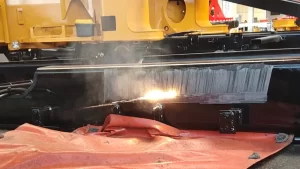
The Master X80 uses laser energy to remove rust, oxidation and selected surface coatings without abrasive contact.
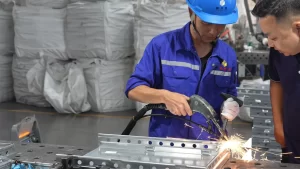
Its handheld design allows the operator to position the cleaning head directly toward the target area. With optional 5 m or 10 m fiber cables, the laser source can be positioned away from the cleaning point where the site layout permits.
This arrangement can be useful when working on large steel structures with internal cavities or restricted access.
However, access depends on the opening size, cleaning-gun dimensions and the geometry of the workpiece. A sample assessment should confirm whether the target surface can be reached safely and effectively.
Three Practical Advantages of Master X80
1. Non-Contact Rust Removal
Unlike grinding, laser cleaning does not require an abrasive tool to press against the steel surface.
With suitable process parameters, it can remove rust and oxidation while limiting unwanted effects on the underlying material. Results depend on the steel condition, corrosion level and cleaning settings, so testing is recommended for critical components.
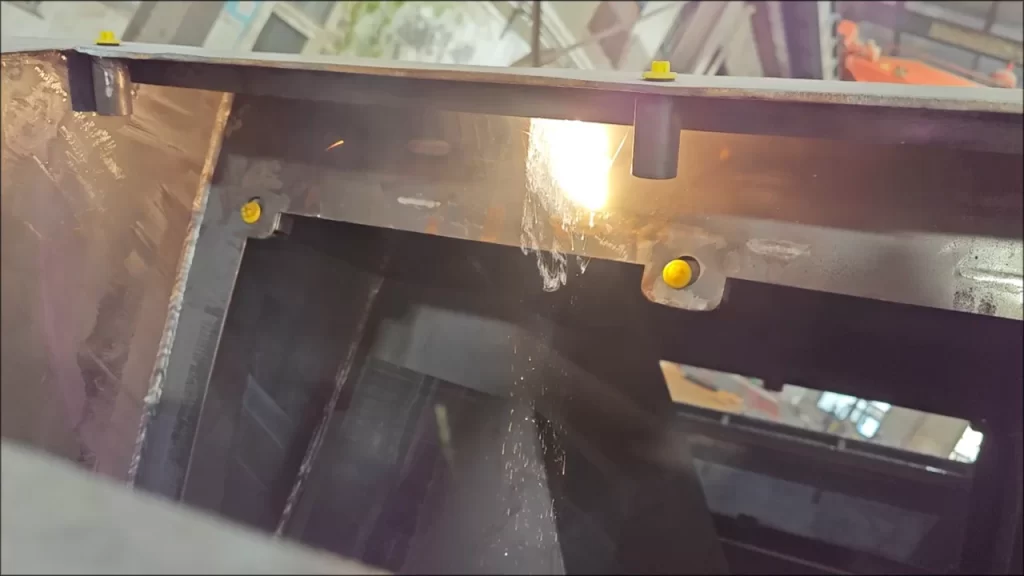
2. Extended Cable for Flexible Operation
Optional 5 m and 10 m fiber cables provide greater flexibility when the workpiece is large or the cleaning area is difficult to approach.
Depending on the site layout, operators may be able to position the main unit outside the immediate work area while directing the cleaning gun toward the target surface.
An extended cable does not automatically make confined-space work safe. Entry restrictions, laser safety procedures, ventilation and site-specific risk assessments must still be followed.
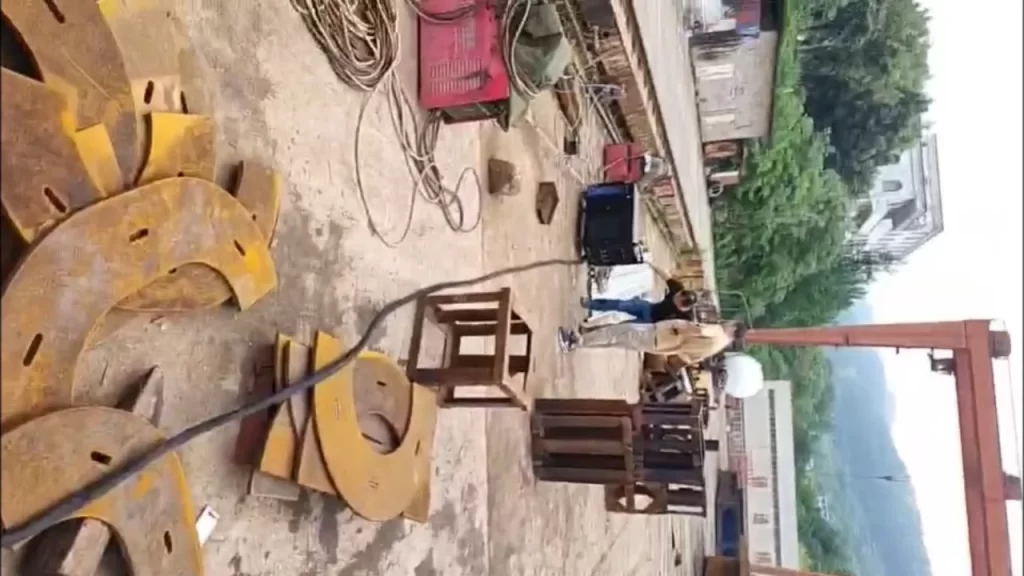
3. No Chemical Stripping Agents or Abrasive Media
Laser cleaning does not require chemical paint removers or abrasive blasting media.
This can reduce the handling and disposal associated with those materials. However, removed rust, paint particles and airborne contaminants still require appropriate extraction, collection and personal protective equipment.
For maintenance teams, reducing secondary materials can simplify parts of the cleaning workflow.
Typical Applications for Enclosed Steel Structure Cleaning
The Master X80 can be evaluated for several industrial applications where internal access and surface preparation are challenging.
- Hollow steel structures: Rust removal inside accessible cavities and sections.
- Welded steel frames: Cleaning around welds, ribs and structural intersections.
- Heavy equipment frames: Localized cleaning during inspection, repair and refurbishment.
- Steel components before welding: Removal of rust and surface oxidation where the process is suitable.
- Industrial steel refurbishment: Surface preparation before repair or repainting.
The most suitable application depends on the opening size, surface condition, coating type and required cleaning standard.
Laser Cleaning vs. Traditional Rust Removal
| Method | Main Advantage | Key Consideration |
|---|---|---|
| Sandblasting | Effective for large steel surfaces | Abrasive recovery, dust and access |
| Manual grinding | Familiar and widely available | Difficult in tight corners; removes material |
| Chemical stripping | Suitable for selected coatings | Chemical handling and residue disposal |
| Laser cleaning | Non-contact and does not require abrasive media | Requires process testing and laser safety controls |
Laser cleaning is not necessarily the best choice for every surface or production environment. Large, open steel surfaces may still be cleaned efficiently by conventional methods.
Its strongest case is where access, localized cleaning and reduced dependence on consumable media matter more than simply covering a large surface as quickly as possible.
Choosing the Right laser cleaning machine Equipment
Before selecting a laser cleaning machine for steel structures, evaluate the actual cleaning task.
Consider the substrate, rust thickness, paint or coating type, cavity dimensions, required cleaning width and acceptable surface condition. Also check whether the cleaning head can reach the target area and whether appropriate fume extraction and laser safety measures can be implemented.
For enclosed structures, a sample test is particularly important. It helps confirm cleaning effectiveness, access limitations and the condition of the steel after treatment.
STRION LASER Master X80 for Industrial Rust Removal
The STRION LASER Master X80 handheld laser cleaning machine provides an alternative for industrial users dealing with rust in accessible but difficult-to-reach areas of steel structures.
Its non-contact cleaning process, handheld configuration and optional extended fiber cable can help address jobs where grinding or abrasive blasting is awkward to apply.
Our view is straightforward: the value of laser cleaning is not that it replaces every traditional method. It is that it gives fabricators and maintenance teams another option when conventional tools struggle to reach the surface or create too much secondary work.
Test the actual steel component before choosing the process. That is the most reliable way to determine whether Master X80 is suitable for your rust removal requirements.
Contact STRION LASER
📞 +028-85812068
🌐 www.strlaser-en.com
📧 str@strlaser.com