Handheld Laser Welding Machines for Electric Vehicle Manufacturing: STRION LASER LITE S in Production
Handheld laser welding machines are becoming an important option for manufacturers working with electric vehicle components. Battery structures, motor housings, electrical enclosures, and chassis parts all require consistent weld quality, suitable process control, and equipment that can keep up with production demands.
For manufacturers, choosing a welding system is not simply about laser power. Weld penetration, material compatibility, spatter, heat input, and long-term operating stability all affect the final result.
STRION LASER develops and manufactures its own laser sources and handheld welding equipment. By combining small-core, high-brightness laser technology with anti-reflection protection, spatter control, and thermal management, the company provides welding solutions for demanding metal fabrication applications.
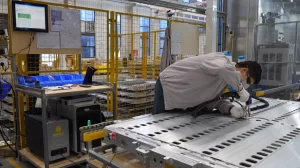
One example is the deployment of more than 30 STRION LASER LITE S series handheld laser welding machines at Yibin Xiangxin New Energy Technology Development Co., Ltd., a supplier of power battery structural components.
Welding Challenges in Electric Vehicle Component Manufacturing
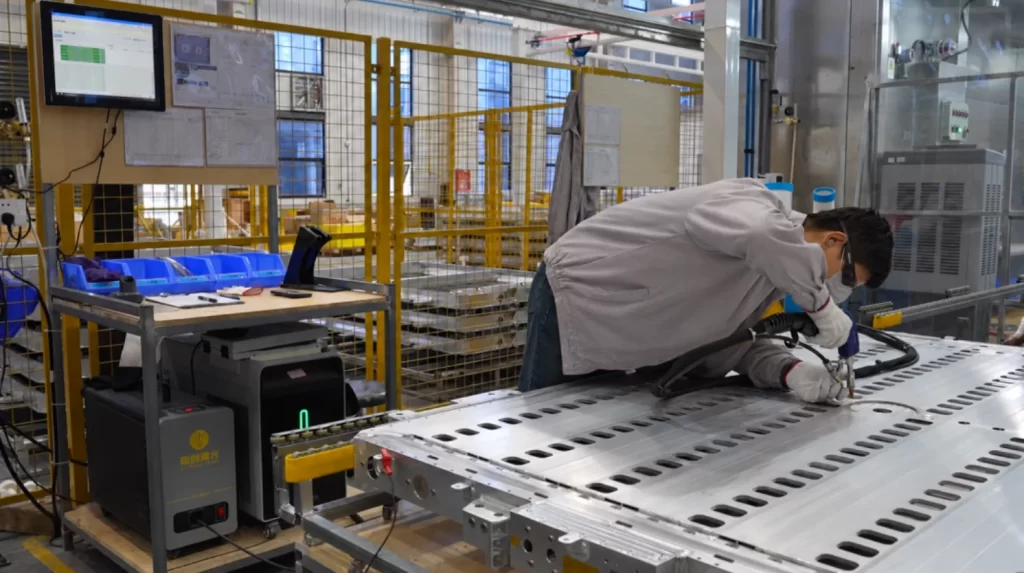
Electric vehicle manufacturing involves a wide range of metal components. Battery trays, motor housings, electrical control boxes, and structural parts can differ considerably in material, thickness, joint design, and production requirements.
These differences create several challenges for welding operations.
1. Inconsistent Weld Quality and Penetration
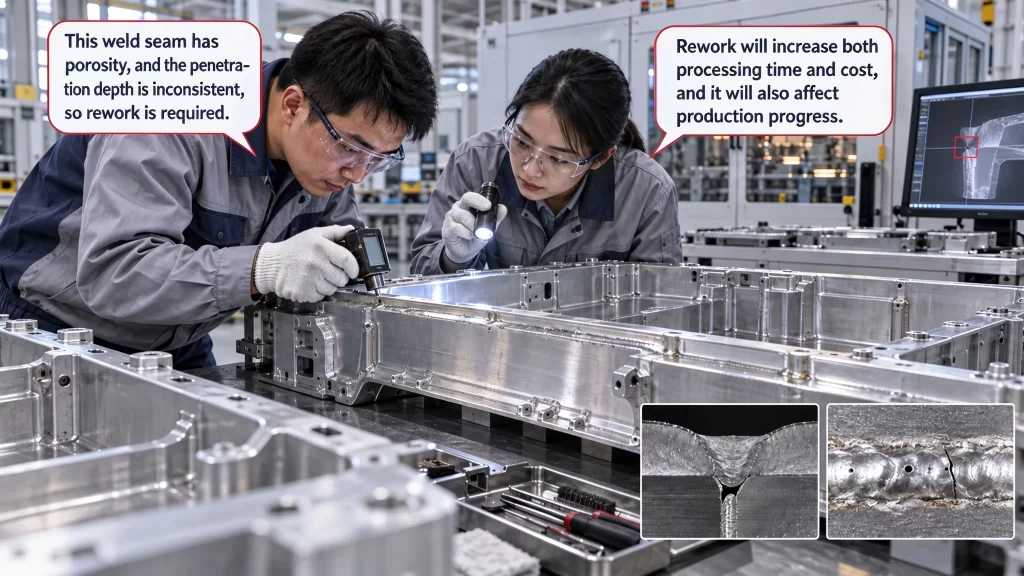
Battery structural components and other key parts require controlled weld penetration, sound joints, and consistent weld appearance.
If laser energy is not properly matched to the material and joint, problems such as porosity, cracking, incomplete fusion, and inconsistent weld formation may occur. Excessive or poorly controlled heat input can also cause distortion, leading to additional inspection, rework, and production costs.
How STRION LASER Addresses This Challenge
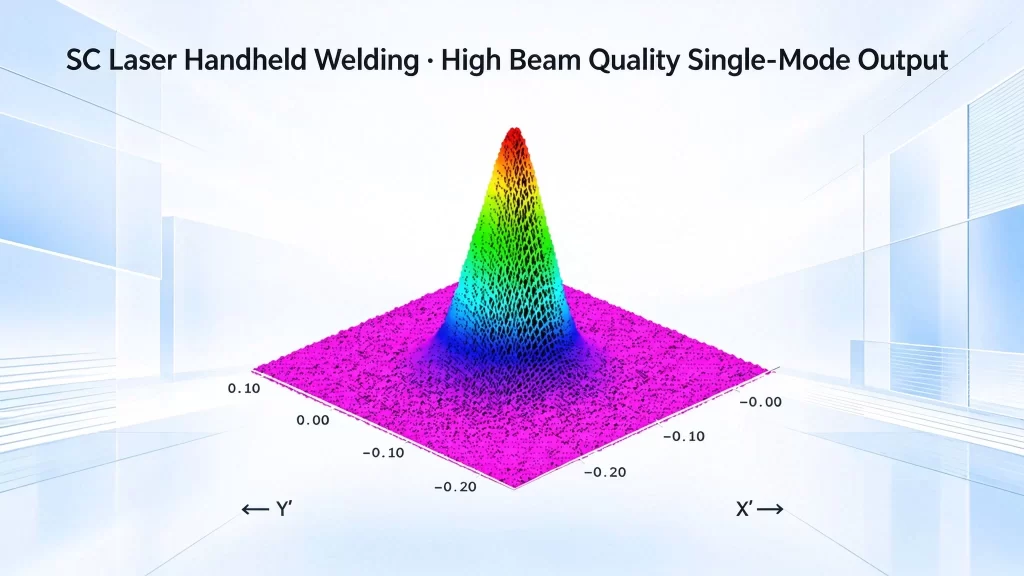
STRION LASER handheld laser welding machines use small-core, high-brightness laser sources with high beam quality and precise energy control.
Concentrating laser energy within the welding area helps achieve deeper penetration under suitable processing conditions. It also gives operators greater control over weld formation and heat input, helping reduce the risk of distortion and improve weld consistency.
Depending on the material, thickness, joint configuration, and process parameters, STRION LASER handheld welding equipment can achieve a maximum penetration depth of up to 10 mm.
2. Difficult Copper and Aluminum Welding
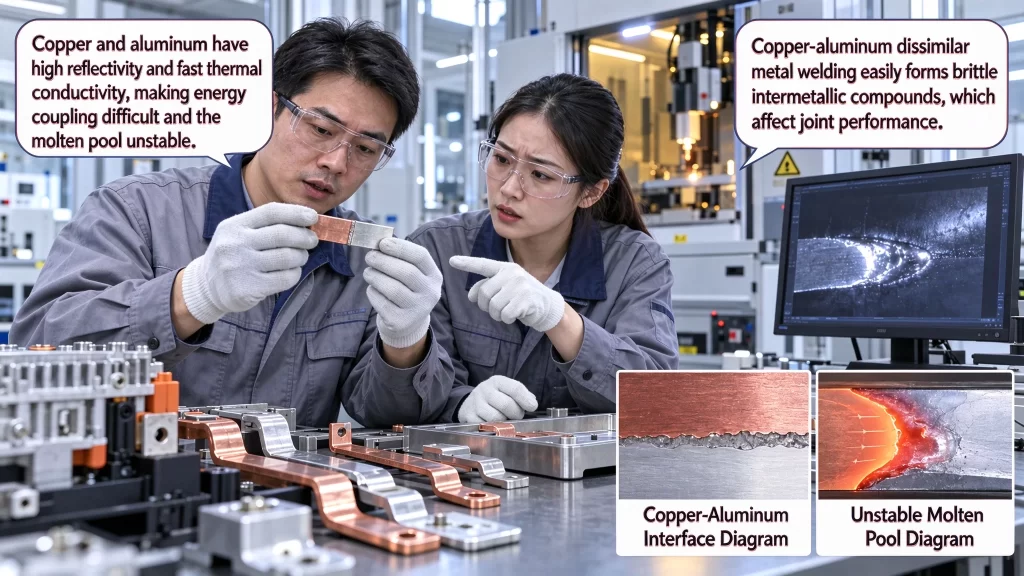
Copper and aluminum are widely used in electric vehicle components, including electrical conductors, motor-related parts, and other conductive structures.
Both materials present challenges for laser welding. Their high reflectivity and thermal conductivity can make energy coupling and molten pool control more difficult. Joining copper and aluminum together introduces further challenges because brittle intermetallic compounds may form and affect joint performance.
How STRION LASER Addresses This Challenge
STRION LASER incorporates anti-high-reflection technology into its handheld laser welding systems to help protect the equipment from reflected laser energy.
Combined with high-energy-density beam output and precise energy control, this technology helps improve process control when welding reflective materials such as copper and aluminum.
For dissimilar-metal applications, the appropriate laser parameters, joint design, and material combination must still be evaluated through welding tests. Sample testing is recommended before selecting a production process.
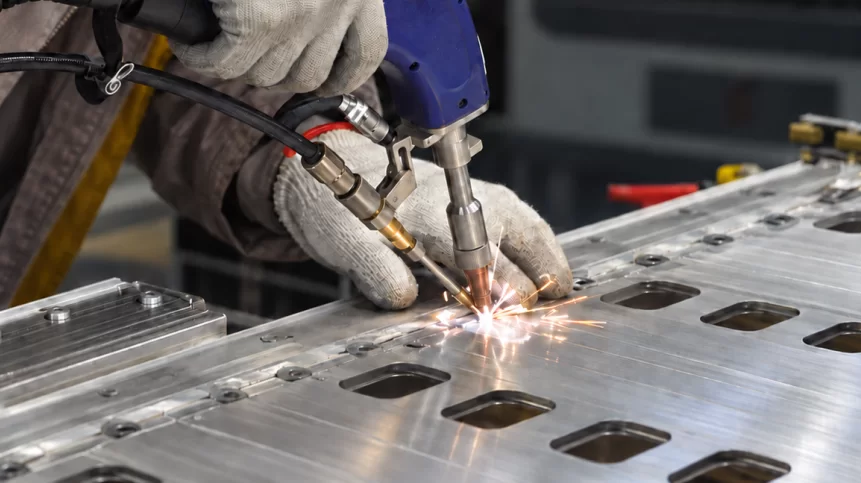
3. Welding Spatter and Heat Distortion Increase Finishing Work
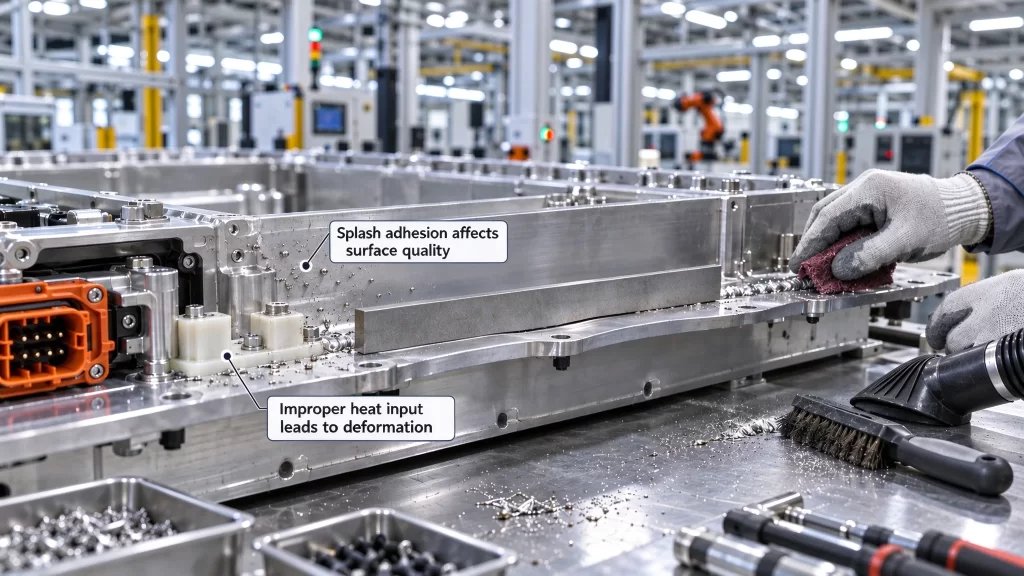
In metal fabrication, welding spatter can affect surface appearance and contaminate surrounding areas. Poor weld formation may also leave additional grinding and cleaning work after welding.
For manufacturers producing large volumes of precision components, these extra steps take up labor and production time.
Heat input is another consideration. If it is not properly controlled, workpieces may deform, particularly when working with thinner materials or more demanding joint structures.
How STRION LASER Addresses This Challenge
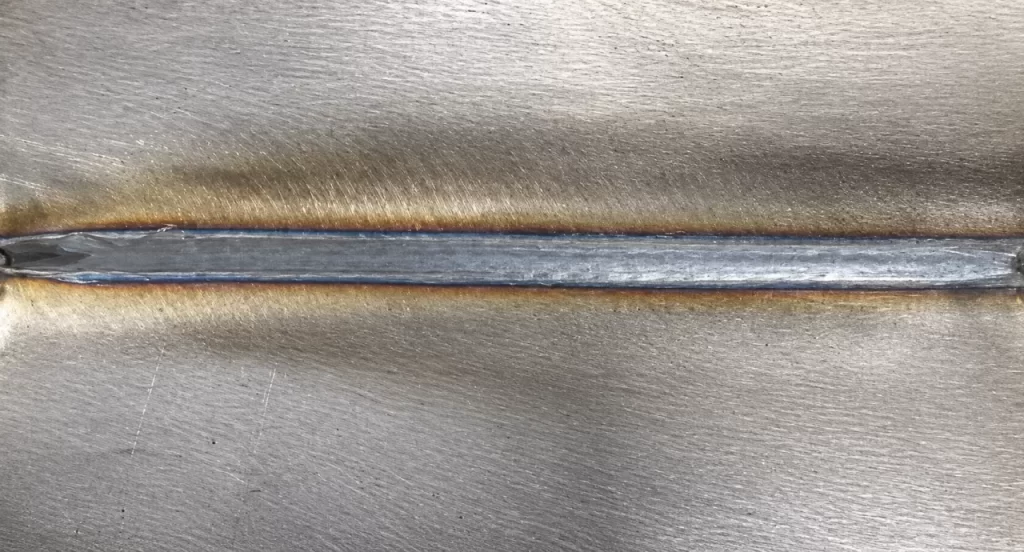
STRION LASER has developed spatter-control and heat-input management technologies to help improve molten pool behavior during welding.
Together with controlled beam output, these technologies help reduce spatter and improve weld appearance under suitable process conditions. This can reduce the amount of post-weld cleaning and grinding required.
The actual result depends on the material, surface condition, joint design, and welding parameters. Process testing is the best way to determine the improvement achievable for a specific workpiece.
4. Equipment Stability During Extended Production
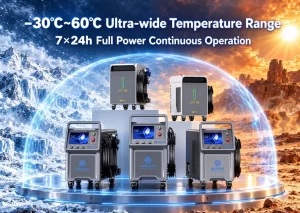
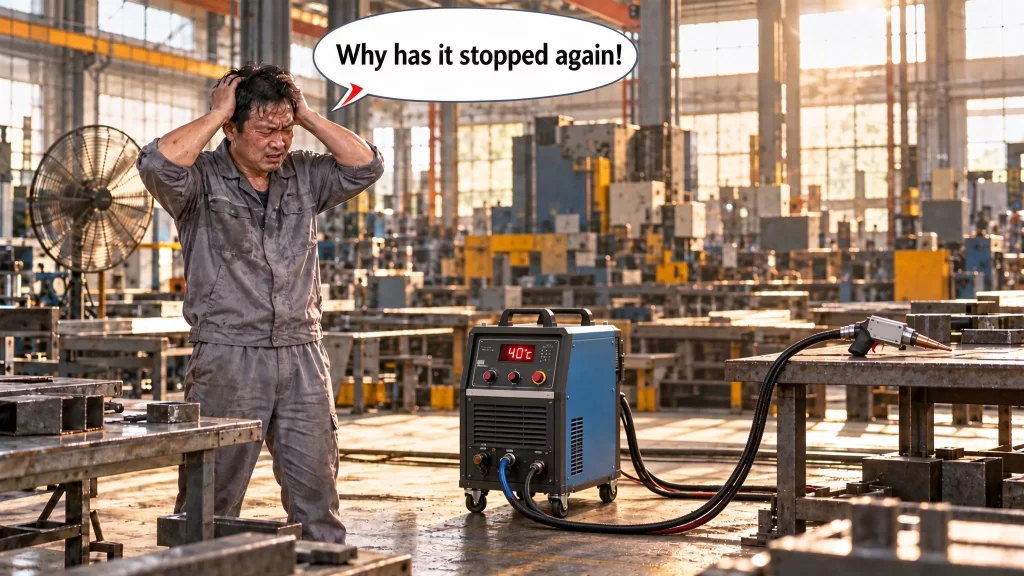
Electric vehicle component manufacturing often involves repeated welding operations and extended production schedules. Equipment thermal management therefore matters just as much as initial welding performance.
During prolonged operation, heat accumulation in the laser source and welding torch can affect operating conditions. Unstable output or excessive temperature rise may require additional checks and process adjustments.
How STRION LASER Addresses This Challenge
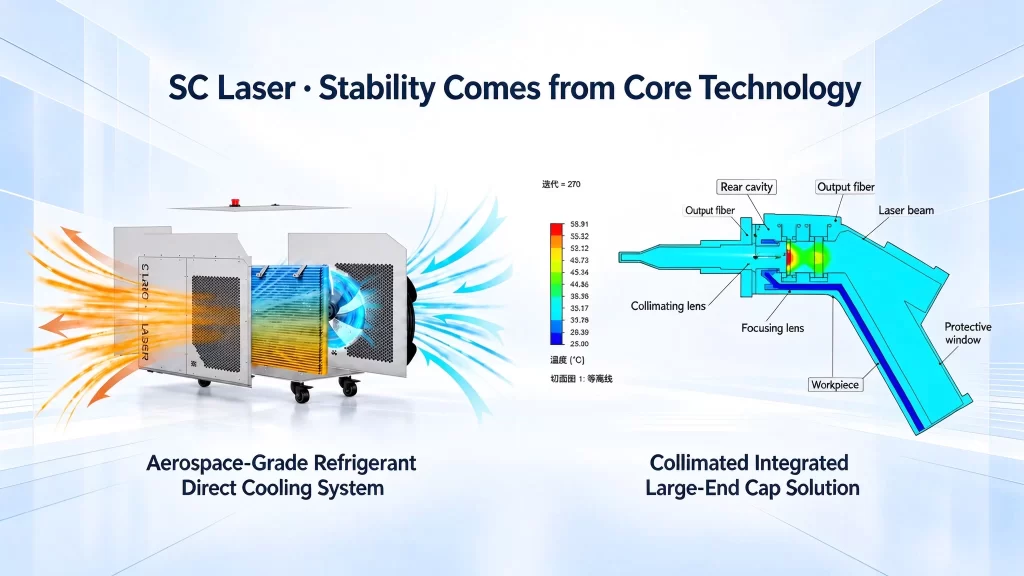
STRION LASER handheld laser welding machines feature a refrigerant direct-cooling system for equipment thermal management.
The welding torch also uses an integrated collimation and large-cap design. Its optical and thermal structure is intended to improve heat dissipation and help control temperature rise during extended use.
Together, these designs support more stable operating conditions and help reduce the impact of heat accumulation on welding performance.
Customer Case: More Than 30 LITE S Handheld Laser Welding Machines at Yibin Xiangxin
Yibin Xiangxin New Energy Technology Development Co., Ltd. was established to serve the power battery industry. The company mainly supplies power battery structural components to CATL’s Yibin base.
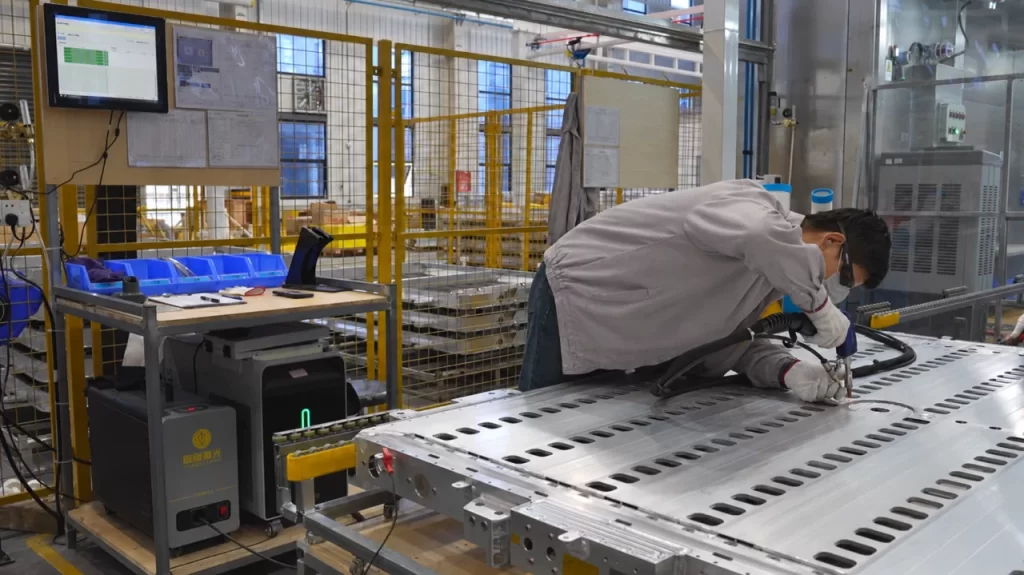
To support its welding production, Yibin Xiangxin introduced more than 30 STRION LASER LITE S series handheld laser welding machines into its factory.
The deployment reflects the practical role of handheld laser welding machines in battery component manufacturing, where different workpieces and welding positions can require flexible equipment and consistent process performance.
According to Yang Dazhi, Production Manager at Yibin Xiangxin:
“STRION LASER’s equipment operates reliably and is easy to use, with a short learning curve. Since putting the machines into production, we have seen improvements in both production efficiency and product quality, while overall costs have also decreased.”
The feedback highlights three points that matter in daily production: stable equipment operation, straightforward handling, and improvements in production results.
For a manufacturer supplying battery structural components, these factors can make a meaningful difference to workshop operations.
Why the LITE S Series Was Chosen for Battery Component Welding
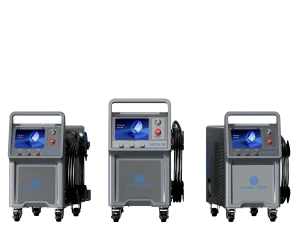
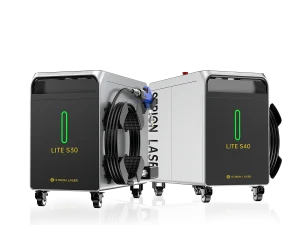
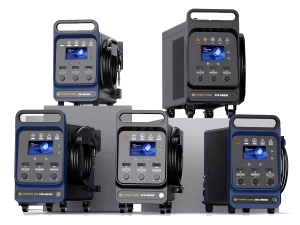
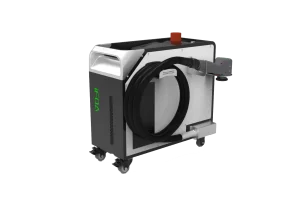
The LITE S series combines STRION LASER’s independently developed laser technology with a handheld welding design intended for everyday industrial use.
Several features are particularly relevant to production environments.
Independently Developed Laser Technology
STRION LASER develops and manufactures its own core laser technology and equipment. This gives the company direct involvement in laser source design, system integration, and product development.
Refrigerant Direct Cooling
The LITE S series uses refrigerant direct cooling to manage heat generated during operation. The cooling design is intended to support stable equipment operation without relying on a conventional water-cooling circuit.
Integrated Torch Design
The integrated collimation and large-cap torch design focuses on optical structure and heat dissipation. By improving the torch’s thermal management, it helps control temperature rise during extended welding operations.
Lightweight and Practical Handling
A handheld welding torch is used repeatedly throughout the working day. Its weight and handling therefore affect operator comfort and day-to-day use.
The LITE S series adopts a lightweight torch design. According to Yibin Xiangxin’s production feedback, operators found the equipment easy to handle and quick to learn.
Handheld Laser Welding Machines for Battery and EV Component Applications
The welding requirements of electric vehicle manufacturing vary from one component to another. A process suitable for a battery structural component may not be directly transferable to a motor housing or electrical enclosure.
STRION LASER handheld laser welding machines can be evaluated for applications such as:
- Power battery structural components
- Battery trays and metal enclosures
- Motor housings and related metal components
- Electrical control boxes and sheet metal structures
- Copper and aluminum component welding
- Stainless steel and carbon steel fabrication
Material grade, thickness, joint type, and production requirements should all be considered when selecting a laser welding system.
For manufacturers evaluating a change from conventional welding processes, testing actual workpieces is a practical way to compare weld penetration, appearance, processing time, and post-weld finishing requirements.
STRION LASER: Supporting EV Manufacturing with Laser Welding Technology
The application at Yibin Xiangxin shows how STRION LASER LITE S series equipment is being used in power battery component production.
With more than 30 machines deployed at the customer’s factory, the case provides practical feedback on equipment operation, ease of use, and production results.
STRION LASER will continue to develop its independently manufactured laser sources and handheld welding equipment, with a focus on the needs of real manufacturing applications.
Looking for handheld laser welding machines for battery components or electric vehicle manufacturing?
Send STRION LASER your material type, workpiece thickness, joint design, and application details. Our team can help evaluate a suitable machine configuration and arrange welding tests based on your requirements.
Website: https://strlaser-en.com
Email: str@strlaser.com