In industrial and commercial settings, surface cleaning plays a critical role in maintaining equipment, ensuring product quality, and preparing materials for further processing like painting or welding. Over the years, traditional cleaning techniques such as sandblasting and chemical cleaning have been widely used. However, laser cleaning — a modern, non-contact, and environmentally friendly technology — is increasingly gaining attention as a superior alternative.
This article compares laser cleaning with traditional cleaning methods, evaluating their effectiveness, safety, environmental impact, cost, and overall practicality.
Overview of Cleaning Methods
Laser Cleaning
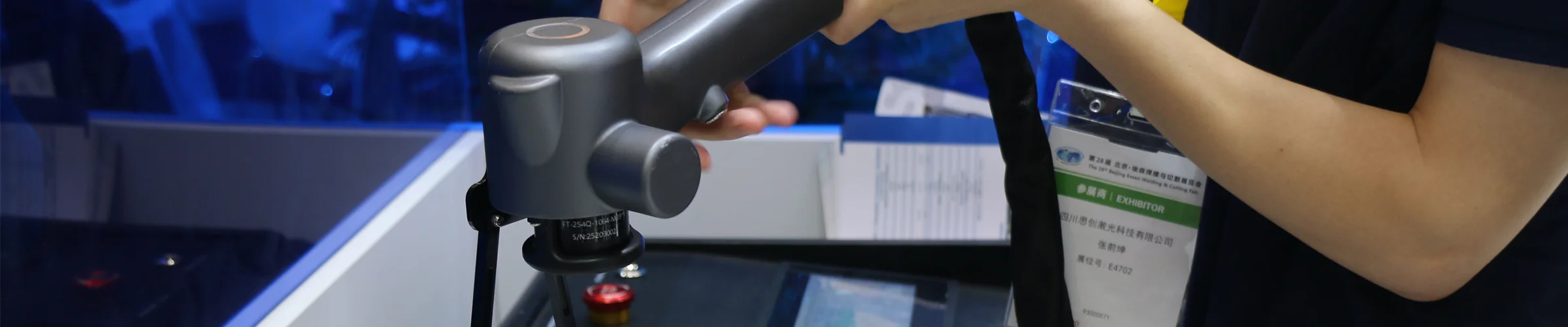
Laser cleaning uses high-intensity laser pulses to remove contaminants, oxides, rust, paint, oil, or residues from metal and non-metal surfaces. The process, known as laser ablation, precisely targets surface impurities without damaging the underlying material. It is non-contact, highly controllable, and produces minimal waste.
Sandblasting
Also known as abrasive blasting, sandblasting involves forcibly propelling abrasive material (such as sand, glass beads, or steel grit) against a surface under high pressure. It’s commonly used to remove paint, rust, and corrosion, or to prepare surfaces for coatings. While effective, sandblasting is abrasive and can damage delicate surfaces.
Chemical Cleaning
Chemical cleaning uses solvents, acids, or alkalis to dissolve or dislodge contaminants. It is effective on grease, scale, and oxidation but often involves hazardous chemicals, generating toxic waste and requiring strict safety precautions.
Other Traditional Methods
Power Tool Cleaning: Includes grinding wheels, wire brushes, and scrapers. It is labor-intensive and not suitable for precise or delicate surfaces.
Ultrasonic Cleaning: Uses high-frequency sound waves in liquid to clean small or delicate parts.
Dry Ice Blasting: Propels dry ice pellets that sublimate on impact, removing surface contaminants without residue.
Comparative Analysis by Key Factors
1. Cleaning Effectiveness
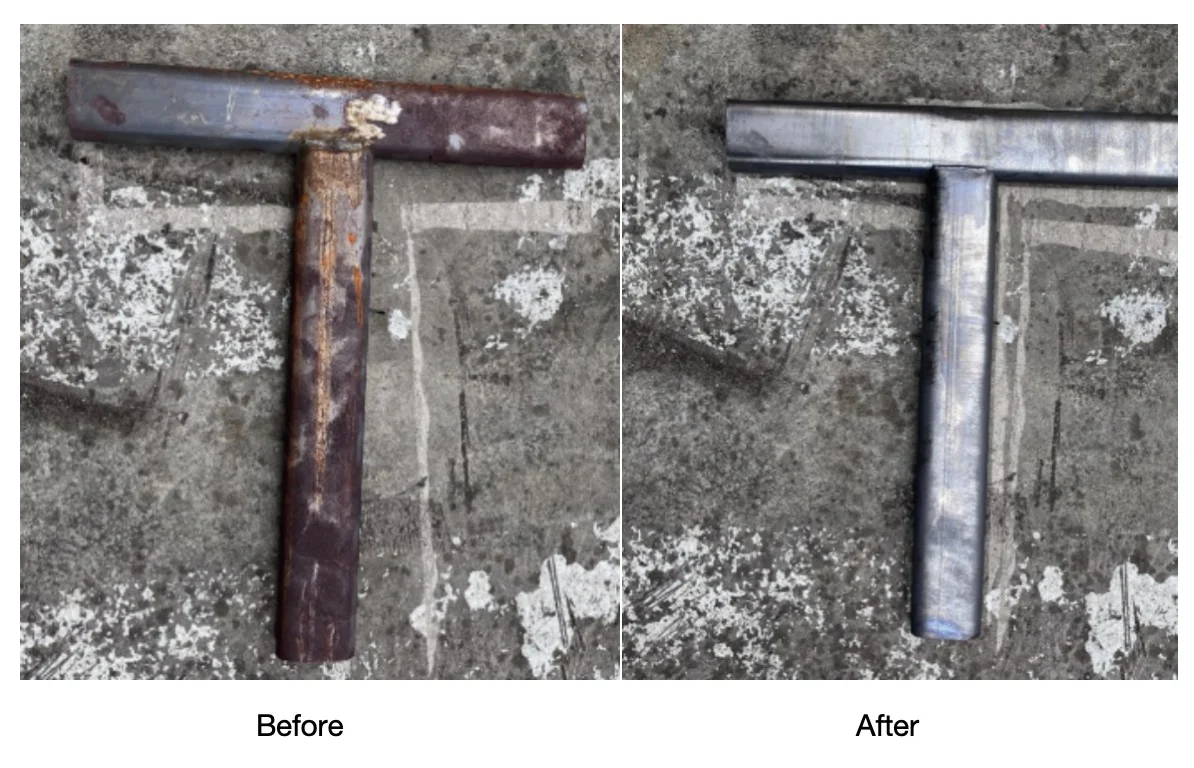
Laser cleaning offers high precision, making it ideal for applications requiring selective removal — for instance, removing a single layer of paint without affecting the base metal. It is excellent for rust removal, oxide cleaning, and coating preparation.
Sandblasting, on the other hand, is highly effective for broad, heavy-duty surface cleaning but lacks precision and may be too aggressive for sensitive materials.
Chemical cleaning can dissolve substances that are difficult to remove mechanically, but it is less effective against thick layers of corrosion or in situations requiring uniform surface treatment.
2. Surface Impact
Laser cleaning is non-abrasive and preserves the integrity of the base material. This makes it ideal for delicate surfaces or high-value components such as turbine blades or historical artifacts.
Sandblasting is abrasive and may erode or pit surfaces. This is acceptable in some industrial applications but unsuitable for precision components.
Chemical cleaning does not abrade the surface but can cause corrosion, especially if residues are not thoroughly rinsed.
3. Environmental and Safety Considerations
Laser cleaning produces virtually no secondary waste. The removed material can be vacuumed or filtered. It does not use or produce harmful chemicals, making it one of the most environmentally friendly options.
Sandblasting generates a significant amount of dust and airborne particles, which pose inhalation hazards and require costly containment and filtration systems.
Chemical cleaning involves hazardous substances that can be dangerous to workers and the environment. Proper handling, disposal, and ventilation systems are essential to mitigate risks.
4. Precision and Selectivity
Laser systems can be finely tuned for selective cleaning — ideal for removing coatings without damaging underlying layers. This precision is unmatched by other methods.
Sandblasting lacks selectivity; it removes everything in its path. Chemical cleaning can be selective, but not with the same spatial accuracy as laser systems.
5. Speed and Efficiency
Laser cleaning excels in tasks requiring high precision and repeatability. While it may be slower on large surfaces compared to sandblasting, automation can significantly increase throughput in production environments.
Sandblasting is faster for large-area, heavy-duty cleaning but requires post-cleaning cleanup and containment.
Chemical cleaning times vary depending on the material and contaminant but typically involves soaking, scrubbing, and thorough rinsing, making it less efficient in some cases.
6. Cost Comparison
Laser Cleaning: High initial investment, but low operating costs due to the absence of consumables and minimal waste management. Long-term ROI is favorable, especially in automated setups.
Sandblasting: Lower equipment cost, but high recurring expenses for abrasive media, maintenance, and cleanup.
Chemical Cleaning: Moderate equipment cost, but high costs for chemical disposal, worker protection, and environmental compliance.
7. Portability and Flexibility
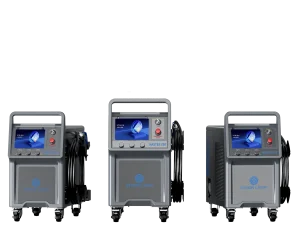
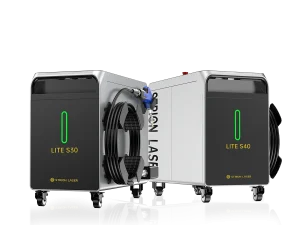
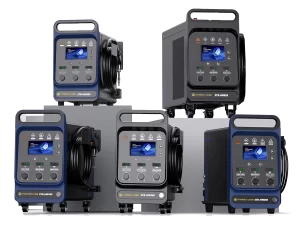
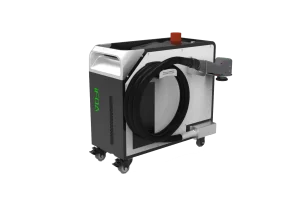
Handheld laser cleaning machines are compact, easy to transport, and suitable for field work or on-site cleaning. They are plug-and-play devices that require minimal setup.
Sandblasting equipment is bulkier and requires compressed air systems and protective enclosures.
Chemical cleaning requires space for chemical storage, soaking tanks, and waste handling — not ideal for mobile operations.
Industry-Specific Use Cases
Aerospace and Automotive
Laser cleaning is widely used for paint stripping, oxide removal, and weld preparation without compromising structural integrity.
Manufacturing and Tooling
It is ideal for cleaning molds, tools, and mechanical parts with minimal downtime and wear.
Cultural Heritage and Restoration
Laser cleaning is the method of choice for removing pollutants from sculptures and historic monuments without damaging original material.
Shipbuilding and Railways
While sandblasting remains common, laser systems are being adopted for maintenance in confined or sensitive environments.
Pros and Cons Summary Table
| Method | Pros | Cons |
| Laser Cleaning | Precise, non-contact, eco-friendly, minimal residue | High initial investment |
| Sandblasting | Fast, effective on tough corrosion and paint | Abrasive, dusty, messy, health risks |
| Chemical Cleaning | Good for grease and scale, penetrates small areas | Toxic waste, surface corrosion, complex handling |
When to Choose Laser Cleaning
Laser cleaning is the optimal choice when:
- You require precision and surface preservation
- You aim to minimize environmental impact
- You need mobile or in-situ cleaning capabilities
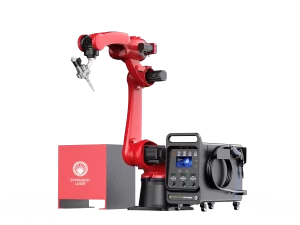
- Your process demands automation and repeatability
- You want to reduce long-term operational costs
It’s a forward-thinking solution for industries prioritizing sustainability, worker safety, and quality control.
Conclusion
While traditional methods like sandblasting and chemical cleaning still have their place in industrial cleaning, laser cleaning stands out as a revolutionary alternative. It offers unmatched precision, safety, environmental compliance, and operational efficiency.
As technology advances and the need for cleaner, smarter manufacturing grows, laser cleaning is not just an option — it’s the future. Whether you’re maintaining high-value machinery or restoring delicate materials, choosing the right cleaning technology is critical.
STRION LASER is proud to be at the forefront of this evolution, offering cutting-edge handheld laser cleaning systems that help our clients meet today’s challenges and tomorrow’s standards.