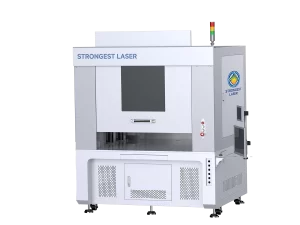
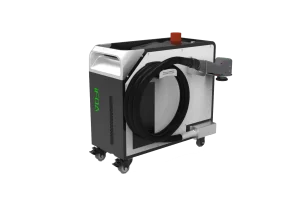
Handheld laser welding machines have revolutionized the welding industry by providing a flexible, efficient, and high-precision alternative to traditional welding methods. These machines utilize concentrated laser beams to join metals with minimal heat input, resulting in clean, strong, and aesthetically pleasing welds. Unlike traditional welding techniques such as MIG and TIG, handheld laser welding systems offer increased speed, reduced distortion, and lower post-processing requirements. This article provides a step-by-step guide on how to use a handheld welder, ensuring you can safely and effectively operate these advanced tools for superior welding results.
1. Understanding the Components of a Handheld Laser Welding Machine
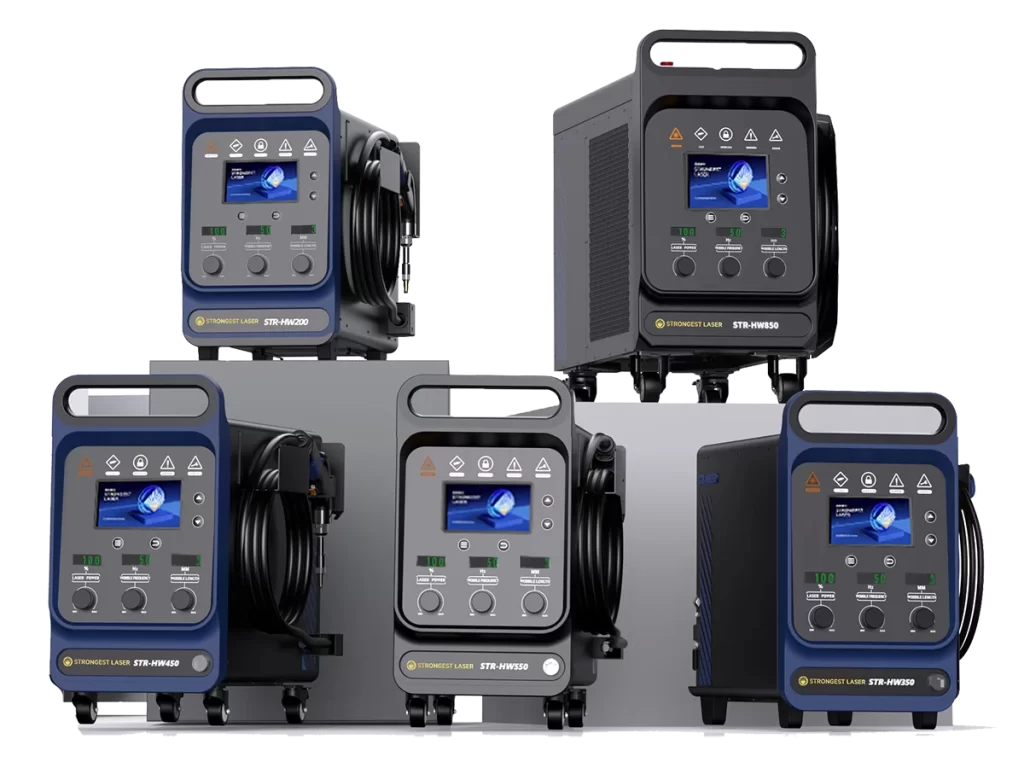
Before operating a handheld laser welding machine, it is essential to understand its main components:
Laser Source and Power Supply: The core of the welding system, generating the laser beam with adjustable power settings.
Handheld Welding Gun: A lightweight, ergonomically designed tool that directs the laser onto the workpiece.
Cooling System: Typically water-cooled to maintain the machine’s efficiency and prevent overheating.
Gas Shielding System: Supplies shielding gas (such as argon or nitrogen) to protect the weld from oxidation and contamination.
Control Panel and Settings: Allows the operator to adjust power, frequency, and welding speed based on the material and application.
2. Safety Precautions Before Operating a Handheld Laser Welder
Laser welding involves high-energy beams and potential hazards, making safety a top priority. Before operating the machine, ensure the following precautions:
Wear Personal Protective Equipment (PPE): Laser safety glasses, heat-resistant gloves, and protective clothing are essential.
Ensure Proper Ventilation: Welding fumes can be hazardous, so work in a well-ventilated area or use an extraction system.
Handle Equipment with Care: Avoid pointing the laser beam at unintended surfaces or individuals.
Receive Proper Training: Operators should undergo training to understand the machine’s functions and safety protocols.
3. Step-by-Step Guide on How to Use Handheld Laser Device
3.1 Machine Setup
Connect the power source and ensure all cables and cooling systems are securely attached.
Adjust laser parameters such as power, pulse frequency, and beam focus based on the material being welded.
Attach the appropriate welding nozzle and select the correct shielding gas flow rate.
3.2 Preparing the Workpiece
Clean the metal surfaces to remove dirt, rust, or oil, ensuring a high-quality weld.
Secure the workpiece using clamps or fixtures to prevent movement during welding.
If needed, select an appropriate filler wire for additional reinforcement.
3.3 Welding Process
Hold the welding gun at the correct angle (typically 45° to 90°) for optimal penetration.
Move the gun smoothly along the weld joint, maintaining a consistent speed and distance.
Adjust power settings as necessary to achieve the desired weld depth and quality.
3.4 Post-Welding Procedures
Inspect the weld for consistency, cracks, or defects.
Clean the weld area to remove any residual oxides or spatter.
Power down the machine and store it properly to prevent damage.
4. Troubleshooting Common Issues
Despite its efficiency, laser welding may encounter certain challenges. Here are solutions to common issues:
Inconsistent Weld Quality: Check laser power and speed settings, ensuring proper alignment.
Excessive Heat Input or Burn-Through: Reduce power settings and increase welding speed.
Poor Fusion Between Materials: Ensure clean surfaces and appropriate filler material usage.
Gas Shielding Issues: Adjust gas flow rate to prevent oxidation and porosity in the weld.
5. Maintenance and Care for Long-Term Performance
To ensure the longevity and performance of the handheld laser welding machine, follow these maintenance practices:
Regularly clean the welding lens and nozzle to prevent debris buildup.
Inspect and replace worn hoses, cables, and protective shields as needed.
Monitor cooling system levels to avoid overheating.
Conduct routine checks on electrical connections to maintain efficiency.
Conclusion
Handheld laser welding machines offer a fast, efficient, and user-friendly alternative to traditional welding techniques. By following proper setup, operation, and maintenance procedures, operators can achieve high-quality welds with minimal distortion and post-processing. With continued advancements in laser technology, handheld laser welders are set to play an increasingly vital role in manufacturing, automotive, and metal fabrication industries. Mastering this tool not only enhances productivity but also ensures long-lasting and reliable welds.
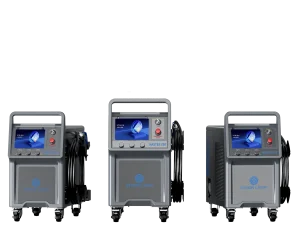
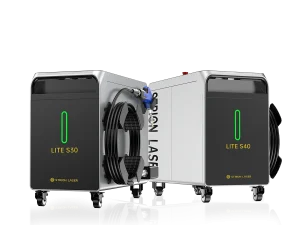
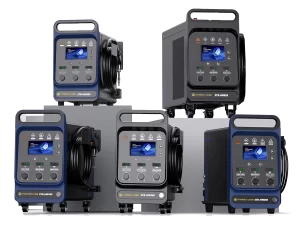
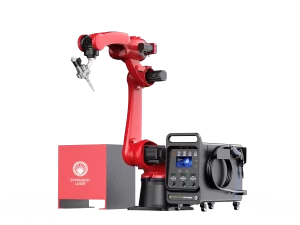
STRONGEST LASER’s STR-HW series of handheld welding machines
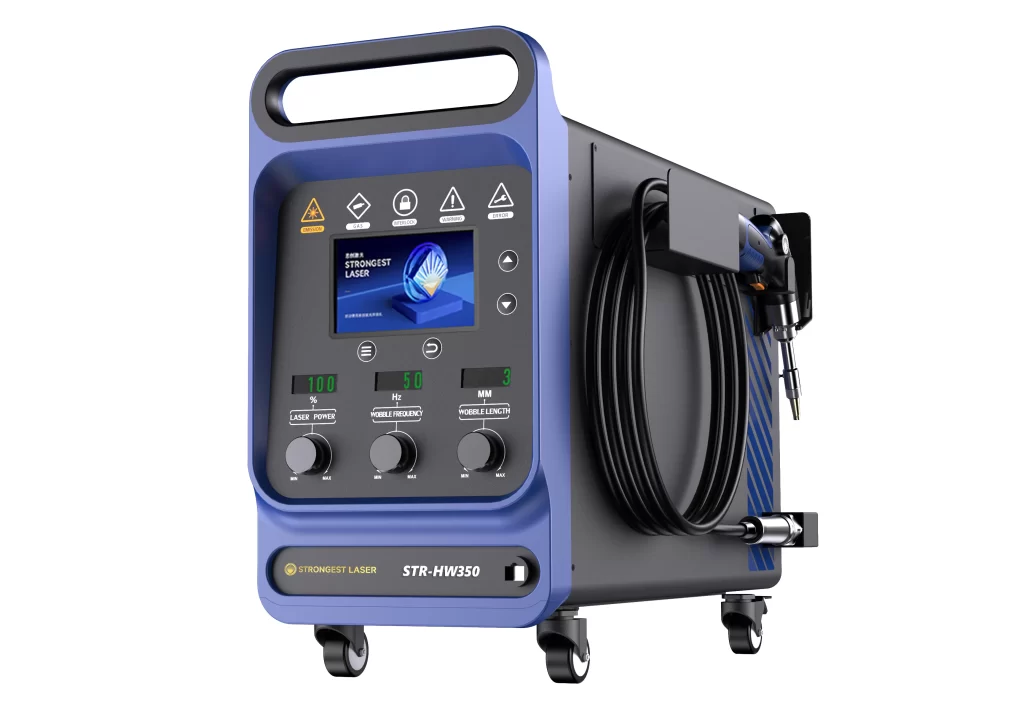
As a professional handheld laser welding machine manufacturer, STRONGEST LASER takes high-power fiber laser technology as its core and has always been committed to the research and development and equipment production in application fields such as conventional laser welding, special laser composite welding, and precision cutting, integrating R&D, production, sales, and technical services.
Our STR-HW series of handheld welding machines including 700w handheld welding machine are based on the company’s self-developed single-mode “small core diameter” laser technology, self-developed dual-circuit refrigerant direct cooling system, as well as the whole machine’s integrated structural design. It is committed to providing customers with high efficiency, high melting depth, high energy saving, high convenience and high stability welding experience. It can meet the needs of metal welding of aluminium, stainless steel, carbon steel, galvanised sheet, brass and other materials.
If you want to know more about the operation details of STR-HW series products, you can contact us at any time to get the product manual for free!