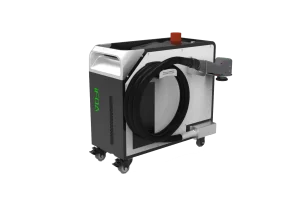
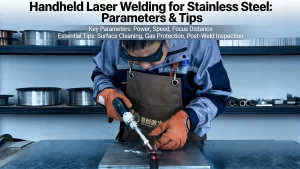
In today’s fast-paced manufacturing and fabrication industries, handheld laser welding machines have emerged as a powerful alternative to traditional welding methods. These machines offer speed, precision, and flexibility—making them ideal for small workshops and large industrial operations alike. But with so many models and specifications available, how do you choose the right handheld laser welder for your business?
This guide will walk you through the most important factors to consider when selecting the perfect machine for your operational needs.
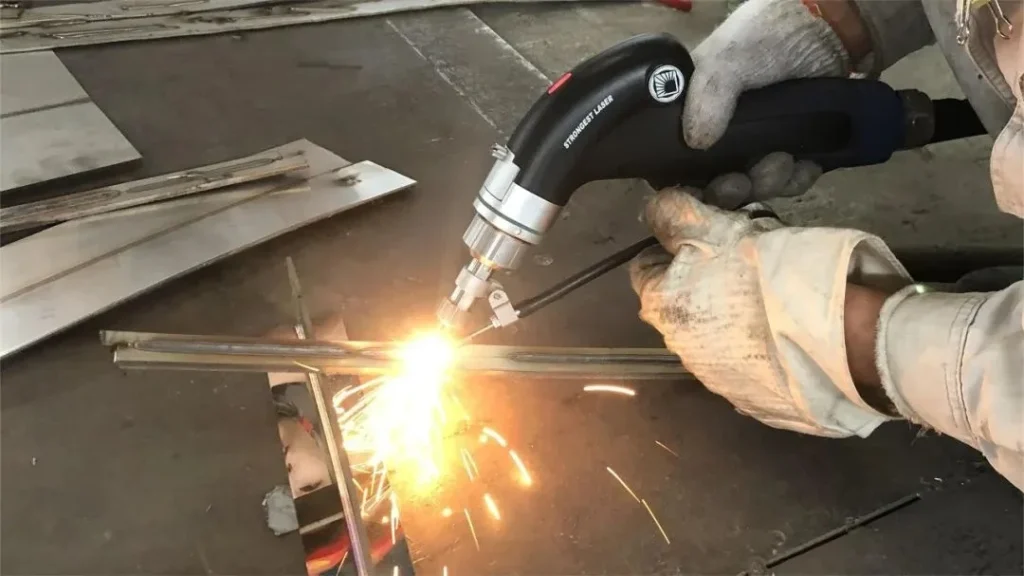
1. Understand Your Welding Requirements
Before comparing machines, take a close look at your specific welding tasks:
Materials: Are you welding stainless steel, carbon steel, aluminum, or other metals?
Thickness: Are you dealing with thin sheets or thicker structural parts?
Production Volume: Will the machine be used for occasional jobs or daily mass production?
Work Environment: Do you need the machine to be portable for on-site work, or will it be used in a stationary workshop?
Identifying your core requirements will help narrow down suitable machine options early on.
2. Consider Laser Power Output
Laser power directly impacts the types of materials and thicknesses you can weld. Common options include:
1000W: Ideal for thin stainless steel and lightweight fabrication tasks.
1500W–2000W: Suitable for general-purpose welding, offering a balance of performance and cost.
3000W+: Designed for high-volume industrial use and thicker materials.
Higher power means greater penetration and faster welding—but also higher costs and energy consumption. Choose a machine that matches your workload without overinvesting.
3. Evaluate Cooling Systems
There are two main cooling systems to consider:
Air-Cooled: Compact and lightweight; best for small-scale or mobile operations. Requires less maintenance but is limited in power and continuous use.
Water-Cooled: Provides better temperature control for continuous welding at higher power levels. Ideal for demanding industrial environments.
Choose the cooling system based on your expected usage intensity and operating conditions.
4. Check Welding Modes and Functions
Look for a machine that offers flexible features:
Multiple welding modes (continuous, pulsed, spot)
Optional filler wire compatibility
Integrated cleaning or cutting functions (in some advanced models)
Adjustable parameters for different materials and weld seams
Advanced features improve versatility and allow for greater control over weld quality.
5. Assess Machine Portability and Ergonomics
A true handheld system should be easy to move and operate. Check for:
Manageable machine size and weight
Ergonomic design of the welding gun
Adequate cable length and flexibility for complex or large workpieces
For businesses that frequently work on large components or conduct on-site welding, portability is a key factor.
6. Control Interface and Ease of Use
User-friendly controls are essential, especially if operators are not highly trained in laser welding. Look for:
Touchscreen displays
Preset welding parameters
Intuitive settings adjustments
Safety features like automatic shutdown and interlock systems
The easier the interface, the faster your team can get up to speed.
7. Brand Reputation and After-Sales Support
When investing in industrial equipment, after-sales service is as important as the machine itself. Choose a manufacturer or supplier that offers:
Reliable customer support and technical assistance
Warranty coverage
Availability of spare parts and accessories
Training and onboarding support
A trusted brand ensures long-term peace of mind and uninterrupted productivity.
8. Budget Considerations
Price is always a major consideration, but don’t let it be the only one. In addition to the machine’s cost, factor in:
Shielding gas and safety gear
Spare parts and maintenance costs
Power consumption
Return on investment (ROI) based on increased efficiency and reduced labor
Spending slightly more on a higher-quality machine can often save money in the long run.
9. Conclusion
Choosing the right handheld laser welding machine comes down to aligning your production needs with the right set of features and capabilities. Carefully consider the materials you work with, your required output, ease of use, support, and total cost of ownership.
Whether you’re running a metal fabrication shop, automotive repair business, or large manufacturing line, the right equipment can transform your welding operations.
If you’re looking for a high-performance, user-friendly handheld laser welding machine backed by reliable support, STRION offers a range of solutions tailored for today’s modern fabrication demands. Let us help you weld faster, cleaner, and smarter.