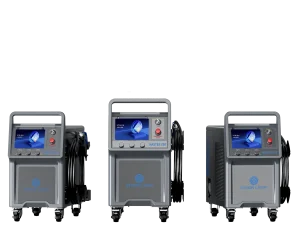
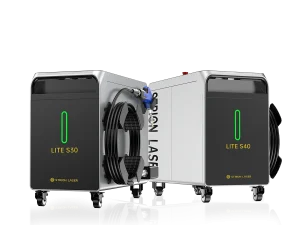
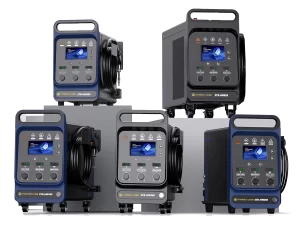
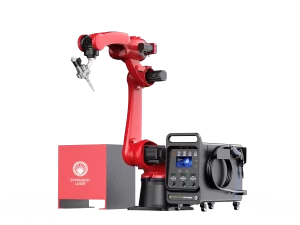
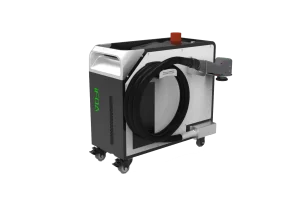
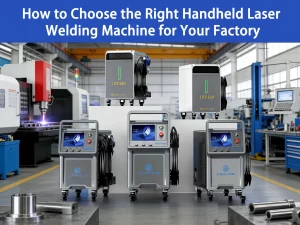
Welding has long been a fundamental process in many industries, but traditional welding methods, such as MIG and TIG, come with their own set of challenges. Issues like difficulty welding thin materials, poor weld aesthetics, and high heat input have prompted the search for more efficient, precise, and cost-effective solutions. One such innovation is the handheld laser welding machine, which is revolutionizing the industry with its ability to solve many of the problems that conventional welding techniques often struggle with.
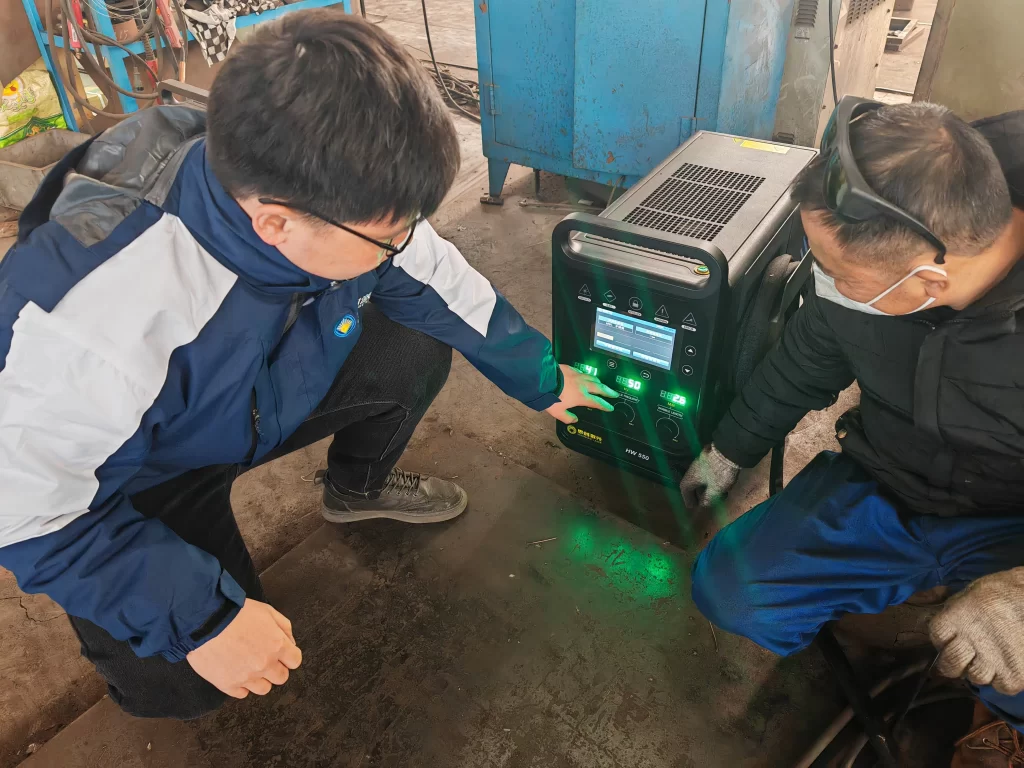
1. Common Welding Challenges and How Handheld Laser Welding Machines Solve Them
1.1 Difficulty in Welding Thin Materials
Traditional welding methods, such as MIG and TIG, often struggle when working with thin materials. The high heat input associated with these techniques can lead to burn-through, warping, and other damage to delicate materials. Handheld laser welding machines, on the other hand, offer a more controlled and precise approach. The low heat input of laser welding minimizes the risk of burn-through and warping, making it ideal for welding thin materials without compromising their structural integrity.
1.2 Poor Weld Aesthetics and Post-Weld Processing
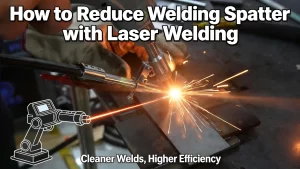
One of the common problems with traditional welding is the generation of excess spatter and rough welds, which often require extensive post-weld grinding and finishing. Handheld laser welders produce smooth, high-quality welds with minimal spatter, significantly reducing the need for additional processing. The precise control over the weld pool and the focused laser beam results in aesthetically pleasing welds with excellent appearance, reducing both time and labor costs associated with post-weld finishing.
1.3 High Heat-Affected Zone (HAZ) and Material Distortion
In traditional welding, the heat input tends to be high, leading to a large heat-affected zone (HAZ), which can distort the material and compromise its structural integrity. Handheld laser welding, however, operates with a highly focused laser beam that delivers energy to a very localized area. This minimizes the size of the heat-affected zone and helps maintain the material’s original properties, reducing the risk of distortion and preserving the quality of the welded structure.
1.4 Slow Welding Speeds and Low Productivity
Traditional welding methods can be slow, especially when working on larger projects. This leads to lower productivity and increased operational costs. In contrast, handheld laser welding machines can achieve much higher welding speeds, which translates into improved efficiency and faster turnaround times. The ability to weld at high speeds without sacrificing quality has made laser welding an attractive option for industries that demand high productivity.
1.5 Difficulty in Welding Different Metals and Alloys
Welding dissimilar metals and alloys can be particularly challenging using conventional welding methods, as these processes may lead to issues such as poor fusion, cracking, or brittleness. Handheld laser welding machines are capable of welding a wide variety of metal combinations, including dissimilar metals, with minimal defects. The precision of laser welding ensures a clean and strong bond between different materials, expanding its applications across various industries.
1.6 Operator Fatigue and Skill Requirements
Traditional welding equipment can be heavy, cumbersome, and complex to operate, leading to operator fatigue and a steep learning curve. Handheld laser welders, however, are designed to be lightweight and ergonomically friendly, allowing for greater maneuverability and less strain on the operator. Additionally, the simplicity of the laser welding process reduces the skill requirements, enabling even less experienced operators to achieve high-quality results with minimal training.
1.7 High Costs of Consumables and Maintenance
Traditional welding methods often require costly consumables, such as electrodes, filler materials, and gases. These materials can significantly increase the overall cost of welding projects. Handheld laser welding machines, by comparison, have lower consumable requirements and reduced maintenance costs. The reduced need for consumables and the long lifespan of laser equipment make it a more cost-effective option in the long run.
2. Key Advantages of Handheld Laser Welding Machines
Handheld laser welding machines offer numerous advantages over traditional methods. Their flexibility and mobility make them ideal for a variety of applications, from small-scale repairs to large-scale production. The high precision and consistency of laser welding result in superior weld quality, reducing the risk of defects and ensuring long-lasting, reliable results. Moreover, laser welding has a lower environmental impact due to reduced consumable usage and less energy waste.
3. Industries Benefiting from Handheld Laser Welding
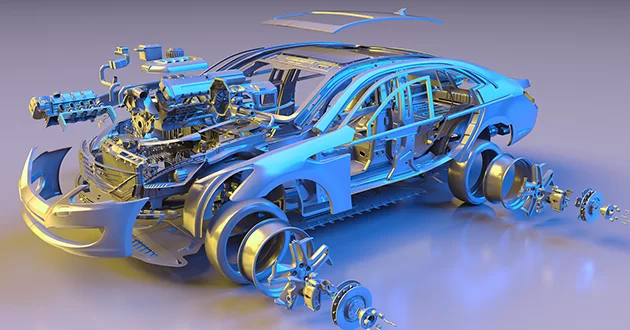
Handheld laser welding is proving to be a game-changer across a wide range of industries. In the automotive sector, it’s used for welding lightweight materials and assembling components with high precision. In aerospace, laser welding is essential for joining intricate parts made from advanced alloys. Electronics manufacturing benefits from the ability to weld delicate components without damaging sensitive materials. The medical device industry utilizes laser welding for precise, sterile welds, while metal fabrication and construction rely on it for quick, high-quality results. Even industries like metal furniture and electrical appliances have embraced handheld laser welding for its efficiency and aesthetic quality.
4. Conclusion
Handheld laser welding machines have emerged as an innovative solution to many of the challenges faced by traditional welding methods. By addressing issues like thin material welding, poor weld aesthetics, high heat input, and slow speeds, laser welding has set a new standard in precision and efficiency. As technology continues to advance, handheld laser welders are likely to become even more refined, opening up new possibilities for industries that require fast, high-quality, and cost-effective welding solutions. The future of welding looks bright, and handheld laser welding is at the forefront of this transformation.