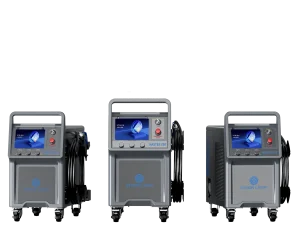
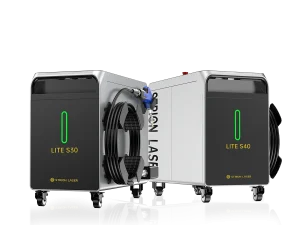
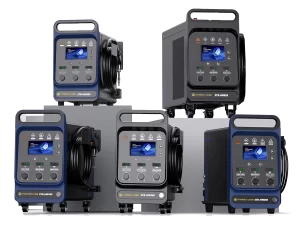
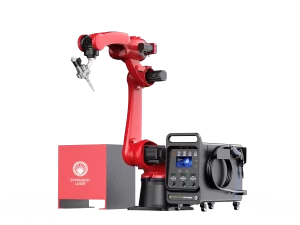
Fiber lasers have become an indispensable tool in modern manufacturing, particularly in the field of additive manufacturing. These lasers offer precision, high efficiency, and the ability to work with a wide variety of materials. As a leader in the industry, Strongest Laser specializes in the Additive Manufacturing Fiber Lasers, which are designed to enhance the performance and capabilities of 3D printing and other industrial applications. But how fiber laser works, and why is it so effective? Let’s dive into the fascinating world of fiber laser technology.
What is Fiber Laser?
A fiber laser is a type of laser that uses an optical fiber as its active gain medium, providing a clear answer to what are fiber lasers in modern industrial applications. Unlike traditional lasers, which use crystals or gases to amplify light, fiber lasers use doped silica fibers—optical fibers that are infused with rare-earth elements like ytterbium. The fiber serves as both the medium for laser light generation and the conduit that delivers it. Fiber lasers are highly efficient, compact, and capable of producing extremely focused beams of light.
Fiber lasers stand out from traditional lasers such as CO2 lasers or solid-state lasers due to their high efficiency, excellent beam quality, and ability to produce high-powered beams, making them a preferred choice for solutions developed by a professional fiber laser welding machine factory such as Strion Laser. They are especially favored in precision applications, such as in the field of additive manufacturing, where accuracy and consistency are crucial.
How Fiber Lasers Work
Fiber lasers operate on a relatively simple yet highly efficient mechanism, which clearly explains the fiber laser principle and provides a solid understanding of fiber laser working in industrial applications. To better understand fiber laser how it works, let’s break down the process step by step:
Laser Diode Pumping: The process begins with a laser diode—a semiconductor device that emits light when an electric current is applied. This stage is fundamental to the fiber laser working principle, as the laser diode is used to “pump” the fiber. This means the diode emits light at a specific wavelength, which is absorbed by the dopants (e.g., ytterbium) embedded in the core of the fiber. The energy from the laser diode excites the dopants, causing them to emit light at a different, longer wavelength.
Fiber Core and Cladding: The optical fiber consists of a core and a surrounding cladding. The core is where the laser light is generated, and the cladding helps guide the light through the fiber. The cladding has a lower refractive index than the core, so the light is kept within the core by total internal reflection. This allows the light to travel along the fiber without escaping, ensuring that it remains focused and concentrated.
Amplification: As the light travels through the fiber, it is continually amplified,a key stage in understanding how does fiber laser welding work at the energy generation level. This process involves the excited dopants emitting light, which then stimulates other dopants to emit even more light. This stimulated emission leads to the production of high-intensity light.
Laser Emission: The light that is amplified as it moves along the fiber eventually exits the fiber through a lens or other optical element, forming a highly focused and coherent laser beam. The quality of the laser beam is determined by the length and composition of the fiber, as well as the efficiency of the pumping process.

The Process of Laser Emission
The process of laser emission in a fiber laser is characterized by several key stages:
- Excitation: The laser diode excites the doped fibers, initiating the amplification of light.
- Amplification: As the light travels along the fiber, it continues to be amplified by the dopants, leading to a high-intensity beam.
- Exit: The focused laser beam exits the fiber, ready to be directed towards the material being processed.
This unique method of generating and guiding laser light results in a high-quality, stable beam that is ideal for industrial applications.
Advantages of Fiber Lasers in Additive Manufacturing
Fiber lasers have revolutionized additive manufacturing and other industrial processes due to their numerous advantages:
Precision and Efficiency: Fiber lasers are ideal for 3D printing and other additive manufacturing techniques because they offer incredible precision. The laser’s fine focus allows for intricate detail in metal 3D printing, ensuring that parts are produced with accuracy and minimal waste.
High Power and Focusability: Fiber lasers can generate high-powered beams that can be focused to extremely small diameters, making them perfect for cutting, welding, and engraving applications. Their ability to deliver intense energy to a very small point allows them to cut through metals, plastics, and other materials with ease.
Durability and Low Maintenance: Fiber lasers are extremely durable, as their all-fiber design eliminates the need for mirrors or lenses that can degrade over time. This design also leads to less maintenance and longer service life, making fiber lasers an excellent choice for industrial environments where reliability is key.
Applications of Fiber Lasers in Industry
Fiber lasers are used in a wide range of industrial applications, clearly illustrating what are fiber lasers used for in modern manufacturing, especially in fields requiring high precision and durability:
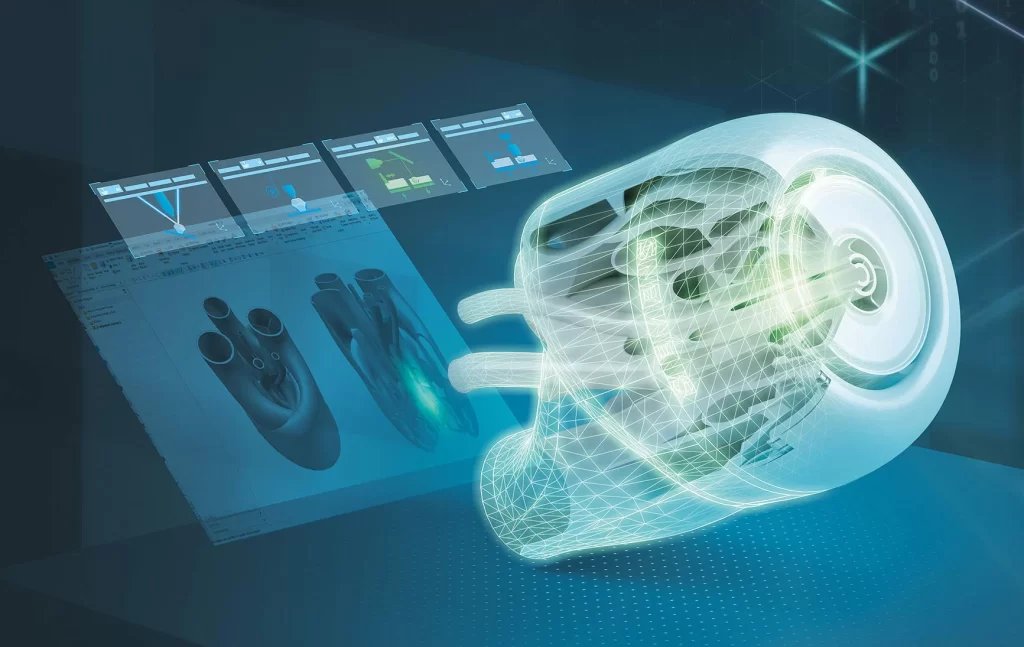
Additive Manufacturing: Additive manufacturing fiber lasers are crucial in metal 3D printing and rapid prototyping, where precise energy control is needed to build parts layer by layer. Their ability to focus on fine details and provide consistent energy makes them indispensable in these processes.
Materials Processing: Fiber lasers are commonly used in cutting, engraving, and welding metal and other materials. They provide the high intensity needed to process thick and reflective materials efficiently.
Medical and Scientific Uses: In the medical field, fiber lasers are used in the production of medical devices, where precision is critical. They are also employed in scientific research for tasks that require high-powered lasers.
Key Considerations When Choosing a Fiber Laser
When selecting a fiber laser for industrial applications, there are several factors to consider:
Power Output: Higher power lasers are required for cutting thick materials or achieving faster processing speeds.
Wavelength: Different wavelengths are better suited for different materials.
Beam Quality: The quality of the laser beam affects the precision of the process.
Cooling Systems: Proper cooling is essential for maintaining the laser’s performance and preventing overheating.
Conclusion
Fiber lasers are one of the most versatile and efficient tools in modern manufacturing, particularly in the field of additive manufacturing. By understanding how fiber lasers work, manufacturers can better harness their potential to produce high-quality products with precision and efficiency.
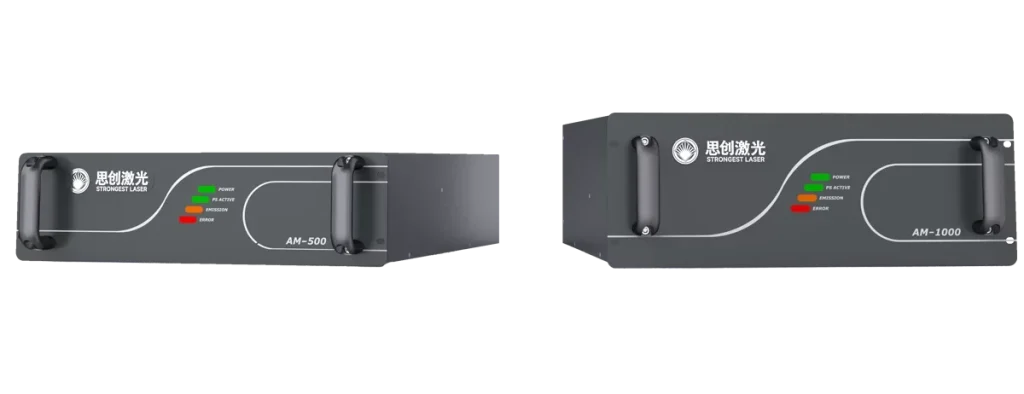
At Strongest Laser, we specialize in providing Fiber Lasers for Additive Manufacturing that cater to the specific needs of our clients, ensuring reliable, intelligent, and high-performance solutions for their manufacturing processes. For more information, explore our products and see how we can help you elevate your production capabilities.