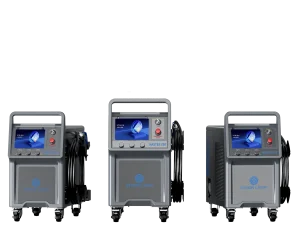
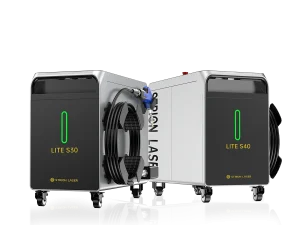
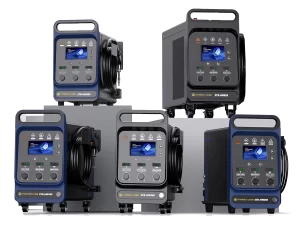
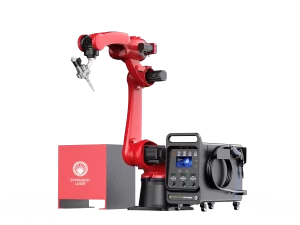
The growing adoption of handheld laser welding machines in manufacturing, fabrication, and repair industries has redefined how businesses approach metal joining. Compact, efficient, and highly precise, these machines offer a cleaner, faster alternative to traditional welding techniques such as TIG or MIG welding.
But one question continues to come up among users considering this technology:
What materials can actually be welded with a handheld laser welder?
In this article, we’ll explore the types of metals best suited for handheld laser welding, why some materials are more challenging than others, and what factors affect overall weld quality.
1. How Handheld Laser Welding Works (Quick Overview)
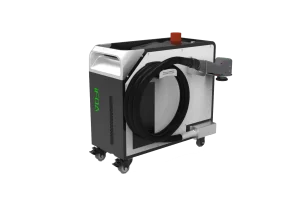
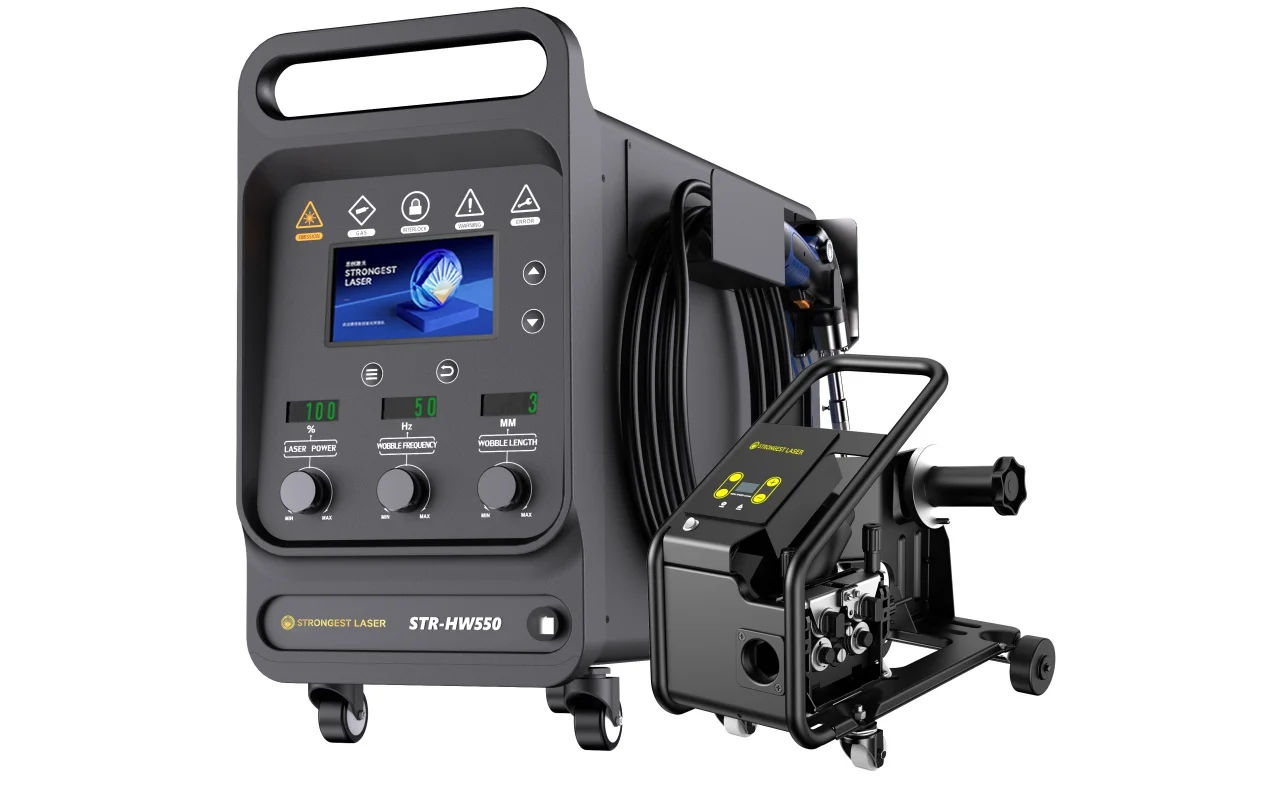
Laser welding uses a focused, high-energy laser beam to melt and fuse materials at the joint. In handheld systems, this technology is integrated into a compact gun that allows for precise control and mobility during the welding process.
Key benefits of handheld laser welding include:
- Minimal heat-affected zone (HAZ)
- Deep, narrow welds
- Low distortion and warping
- Clean, spatter-free joints
- Little or no post-processing required
Unlike traditional methods, laser welding requires no contact between the electrode and the workpiece, and the process is significantly faster when properly configured.
2. Metals Commonly Welded with Handheld Laser Welders
Laser welding is most compatible with metals and alloys, particularly those with high reflectivity and thermal conductivity. Here’s a breakdown of the most common materials:
a) Stainless Steel
Stainless steel is one of the easiest and most reliable materials to weld using handheld laser technology. Due to its high melting point and moderate thermal conductivity, it absorbs laser energy effectively and produces clean, precise joints.
Applications:
- Food and beverage equipment
- Medical device manufacturing
- Architectural fixtures
- Household appliances
Advantages:
- No filler wire required in many cases
- Excellent weld strength
- Aesthetic surface finish with minimal discoloration

b) Carbon Steel
Carbon steel, including mild steel and low-alloy steels, is also very well-suited to handheld laser welding. It offers good absorption characteristics but may be prone to oxidation if shielding gas flow is inadequate.
Applications:
- Automotive frames and panels
- Agricultural equipment
- General metal fabrication
Considerations:
- Proper shielding (argon or nitrogen) is crucial to avoid oxidation or porosity
- Surface cleaning prior to welding improves results

c) Aluminum and Aluminum Alloys
Aluminum is weldable but more challenging due to two main factors:
1. High reflectivity — aluminum reflects laser energy, especially at room temperature
2. High thermal conductivity — quickly disperses heat, making consistent penetration difficult
Applications:
- Aerospace components
- EV battery housings
- Consumer electronics
- Lightweight transportation frames
Tips for success:
- Use high-powered fiber lasers (1000W or above)
- Maintain a clean, oxide-free surface
- Use high-purity argon gas as a shield
- Some applications may require filler wire

d) Copper and Brass
Copper and its alloys (like brass) present significant laser welding challenges due to extremely high reflectivity and thermal conductivity. However, with the right laser source and parameter tuning, copper can be successfully welded.
Applications:
- Electrical contacts
- EV battery tab connections
- Heat exchangers
- Decorative metalwork
Requirements for success:
- Use pulsed or high-peak power fiber lasers
- Short interaction time reduces oxidation
- Focused beam and optimal shielding gas delivery

e) Titanium
Titanium is highly compatible with handheld laser welding when used with adequate shielding. Its low density and corrosion resistance make it ideal for high-performance applications.
Applications:
- Aerospace frames
- Medical implants
- Sports equipment
- Marine hardware
Precautions:
- Requires a controlled shielding gas environment to avoid contamination
- Argon gas must blanket the weld pool thoroughly
- Use appropriate laser power for the grade and thickness
f) Nickel Alloys (e.g., Inconel)
Nickel-based superalloys are known for their strength and corrosion resistance at high temperatures. These materials are weldable with laser technology, but precise parameter control is necessary.
Applications:
- Turbine blades
- Chemical processing vessels
- Subsea equipment
Welding considerations:
- Use low-to-moderate laser speeds to allow full penetration
- Avoid overheating to reduce microcrack risk
- Inert shielding is essential for structural integrity
3. Materials Less Suitable or Not Recommended
While handheld laser welding is versatile, some materials present serious challenges:
Galvanized Steel: The zinc coating vaporizes during welding, releasing toxic fumes and creating weld defects. Not recommended unless pre-treated or ventilated.
Plastics: Traditional handheld laser welders are not suitable for plastics; these require specialized plastic laser welding systems.
Highly Reflective Coated Surfaces: Metals with mirror finishes or coatings should be stripped or cleaned prior to welding to avoid beam reflection and inconsistent results.
4. Factors That Affect Weldability
Successfully welding any material with a handheld laser machine depends on several important factors:
a) Material Thickness
Thin sheets (≤ 5 mm) are ideal for handheld systems
Thicker sections require higher power or multiple passes
b) Surface Preparation
Clean, degreased, and oxide-free surfaces produce better welds
Use mechanical or chemical cleaning before welding aluminum or copper
c) Laser Type and Power
Fiber lasers (1000–2000W) are common in handheld systems
Power must be matched to material type and thickness
d) Shielding Gas
Argon and nitrogen are most commonly used
Proper gas delivery protects the weld pool from oxidation
e) Filler Wire (Optional)
Some materials or joint types may require filler wire for strength or gap filling
Filler wire must be compatible with the base material
5. Summary Table: Material Suitability for Handheld Laser Welding
| Material | Weldability | Notes |
| Stainless Steel | Excellent | Clean, strong, and aesthetic welds with minimal effort |
| Carbon Steel | Very Good | Requires proper shielding to avoid oxidation |
| Aluminum | Moderate | Needs high power, excellent prep, and pure shielding gas |
| Copper/Brass | Challenging | High reflectivity; short pulse lasers recommended |
| Titanium | Excellent | Requires excellent gas protection during welding |
| Nickel Alloys | Good | Precision control needed to prevent cracking |
6. Conclusion
Handheld laser welding technology offers immense flexibility across a broad range of metals — from stainless steel and carbon steel to more complex materials like aluminum, copper, and titanium. With proper machine configuration, shielding, and surface preparation, manufacturers can achieve clean, high-strength welds with minimal distortion and post-processing.
However, material selection should always align with application requirements, machine capabilities, and operator skill. Understanding the weldability of different materials is key to maximizing the value of your laser welding system.
At STRION LASER, we provide advanced handheld laser welding machines designed to meet the demands of diverse materials and manufacturing environments. Whether you’re working with thin stainless steel sheets or complex aluminum assemblies, our systems are engineered for precision, durability, and ease of use.