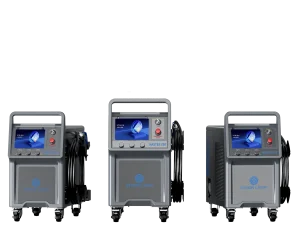
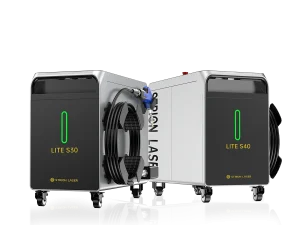
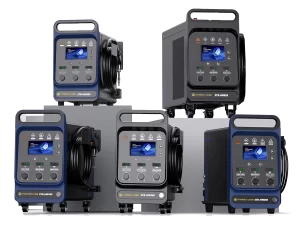
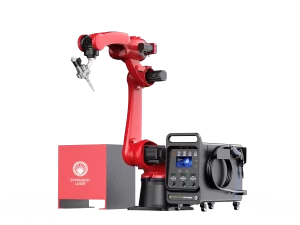
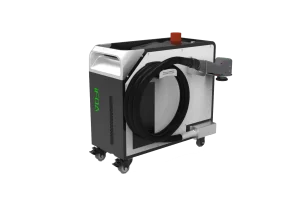
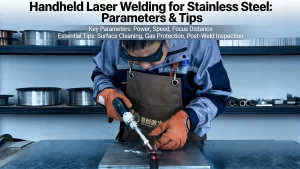
Over the last decade, handheld laser welders have transformed the landscape of metal fabrication. From automotive manufacturing to home appliance production, these machines are gaining popularity for their speed, precision, and ease of use. Compared with traditional welding methods like MIG and TIG, laser welding offers faster operation, cleaner seams, and lower overall distortion.
However, not every handheld laser welder is the same. Before investing in one, it’s important to understand what features and specifications align with your production needs. Buying the wrong machine can lead to wasted resources, frequent maintenance issues, or limitations that prevent you from reaching your manufacturing goals.
This article highlights five key factors to consider before buying a handheld laser welder, helping you make a well-informed decision that balances performance, cost, and long-term value.
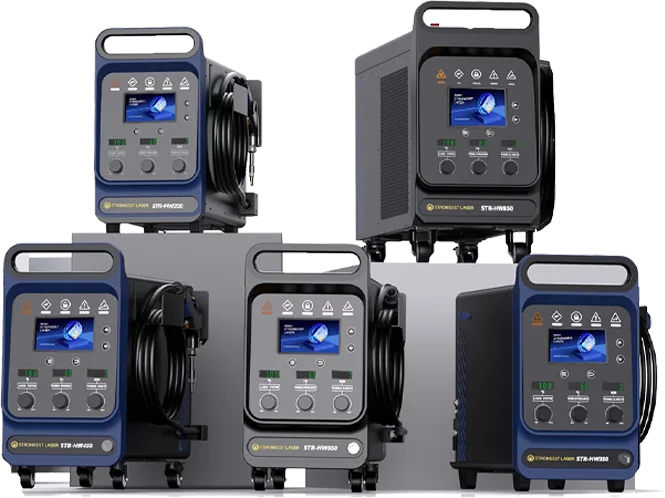
Factor 1: Material Compatibility
The first step in choosing a handheld laser welding machine is ensuring it works with the materials you need to weld. Different industries use a wide variety of metals, including:
- Stainless steel – common in food processing, medical devices, and decorative applications.
- Aluminum – widely used in automotive, aerospace, and lightweight structures.
- Carbon steel – essential for construction, machinery, and industrial fabrication.
- Titanium and alloys – increasingly used in precision equipment and aerospace.
Laser welders vary in their ability to handle these materials. For example, aluminum requires higher power and precise parameter control due to its high reflectivity and conductivity. A welder that performs well on stainless steel may not deliver the same results on aluminum without the right settings.
When selecting a machine, check its specifications for supported materials and thickness ranges. If your production involves multi-material welding, look for a versatile model that allows quick adjustment of power, frequency, and beam parameters. This flexibility will save you time and ensure consistently strong welds across different projects.
Factor 2: Power Output and Welding Thickness Range
Power output is one of the most important specifications when evaluating handheld laser welders. It directly determines the penetration depth, welding speed, and the range of material thickness the machine can handle.
- 1000W Handheld Fiber Laser Welding Machine – Suitable for thin plates (up to ~3 mm). Best for industries that focus on fine sheet metal work, such as electronics or decorative applications.
- 1500W Laser Welding Machine – A versatile option capable of welding medium-thickness plates (up to ~5 mm). Offers a balance between power and precision.
- 2000W+ Laser Welder – Designed for heavy-duty applications requiring deeper penetration and faster speeds, such as automotive frames or industrial equipment.
Choosing the wrong power level can cause either underperformance (not penetrating thick material) or overheating (burning through thin plates). Buyers should assess their average material thickness and match the welder’s power output accordingly.
It’s also worth noting that higher power usually comes at a higher cost. Therefore, consider both your current and future production requirements to ensure the investment remains cost-effective in the long run.
Factor 3: Ease of Use and Ergonomics
One of the main advantages of handheld laser welders is their operator-friendly design compared to traditional methods. However, usability and ergonomics vary between models.
Key considerations:
- Weight and Balance: A lightweight, well-balanced welding gun reduces operator fatigue during extended use. Heavy or poorly designed equipment can affect weld quality and worker safety.
- User Interface: Modern welders often feature touchscreens or intuitive control panels. Easy parameter adjustments improve efficiency, especially when multiple operators use the same machine.
- Training Requirements: While laser welding is generally easier to learn than TIG or MIG, some systems may still require specialized training. Choose a model with a short learning curve if your workforce lacks prior laser welding experience.
A user-friendly handheld welder not only boosts productivity but also reduces errors caused by operator fatigue or improper settings. For businesses planning high-volume operations, ergonomics are particularly important for long-term efficiency.
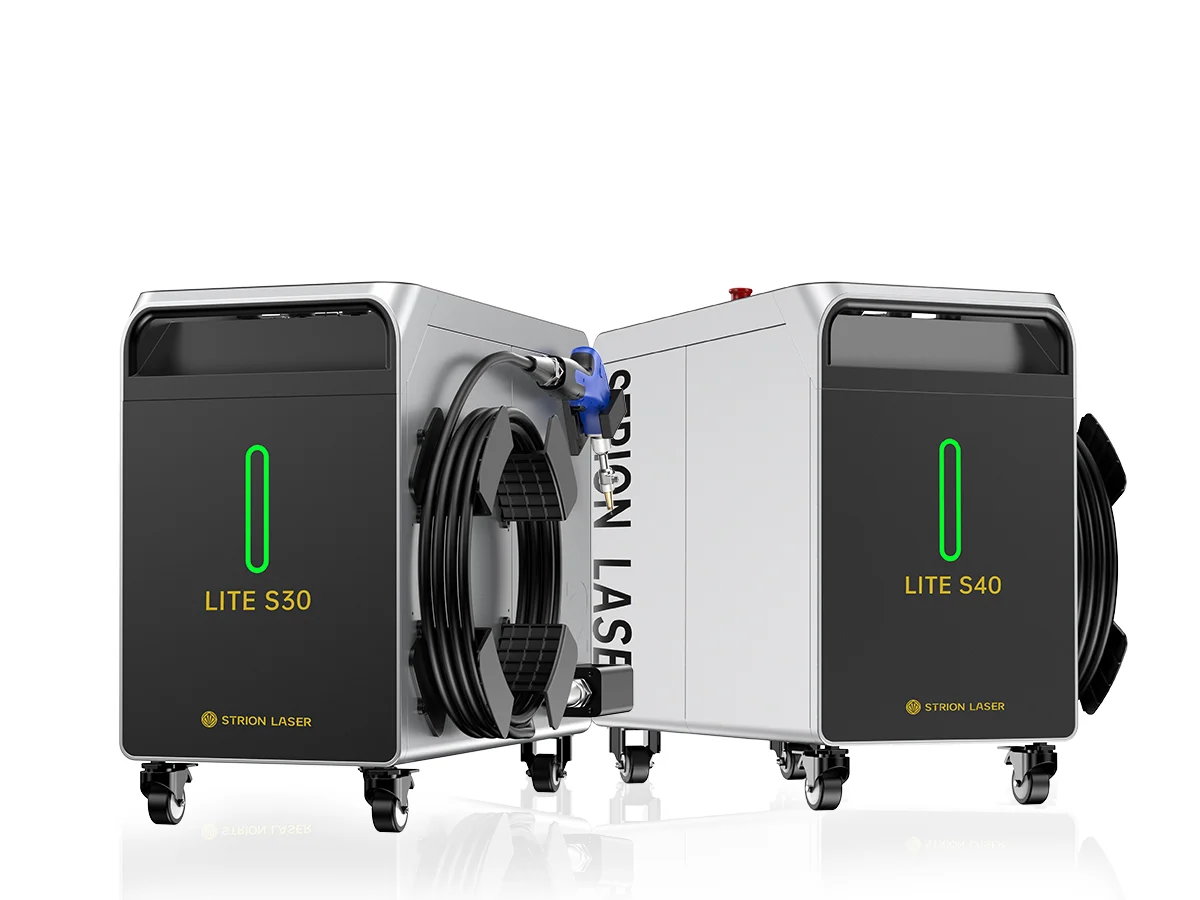
Factor 4: Welding Quality and Speed
The primary reason companies adopt handheld laser welding is to achieve high-quality welds faster than conventional methods. Therefore, evaluating a machine’s welding quality and speed is critical.
Welding Quality
Laser welders excel in producing:
- Narrow, smooth seams with minimal distortion.
- Aesthetic welds requiring little or no post-processing.
- Strong joints with consistent penetration.
If your products are consumer-facing, such as appliances, furniture, or decorative elements, weld aesthetics are especially important. A handheld laser welder that minimizes discoloration and creates seamless joints will add significant value.
Welding Speed
Speed is another performance indicator. Depending on the model, handheld laser welders can be 2–10 times faster than TIG welding. Faster welding means higher productivity, shorter project cycles, and reduced labor costs.
However, speed should not compromise quality. Look for models that balance both, ensuring you can increase throughput while still meeting industry standards for joint integrity and appearance.
Factor 5: Maintenance, Safety, and After-Sales Support
Investing in a handheld laser welder goes beyond the purchase price—it’s about long-term reliability and support.
Maintenance
Check the durability of key components such as the laser source, optics, and cooling system. A well-built machine with low maintenance needs reduces downtime and operating costs.
Safety Features
Laser welding involves high energy, so safety cannot be overlooked. Important features include:
- Automatic shutoff in case of malfunction.
- Protective sensors to prevent accidental exposure.
- Compatibility with shielding gas systems to ensure weld quality and prevent oxidation.
After-Sales Support
Reliable after-sales service is often the deciding factor between two similar models. Look for:
- Comprehensive warranty coverage.
- Availability of spare parts.
- Technical support and training from the manufacturer.
Strong after-sales support ensures your machine remains productive and minimizes disruptions when issues arise.
Bonus Consideration: Cost vs. Value
While not part of the core five factors, cost is always a concern for buyers. However, focusing solely on initial price can be misleading. A cheaper machine might save money upfront but cost more in the long run due to inefficiency, high maintenance, or limited functionality.
Instead, evaluate the value proposition:
- Does the machine reduce rework and post-processing?
- Will it improve production speed and throughput?
- How much labor savings will it generate?
When viewed from a total cost of ownership perspective, a higher-quality welder with strong after-sales support may deliver a better return on investment (ROI) than a budget option.
Conclusion
Choosing the right handheld laser welder requires careful evaluation of multiple factors. To recap, buyers should consider:
- Material Compatibility – ensuring the machine works with your target metals.
- Power Output and Welding Thickness Range – matching the welder’s capabilities to your applications.
- Ease of Use and Ergonomics – selecting a design that enhances operator comfort and efficiency.
- Welding Quality and Speed – balancing aesthetics, strength, and productivity.
- Maintenance, Safety, and After-Sales Support – securing long-term reliability and peace of mind.
By keeping these five factors in mind, you can confidently select a handheld laser welder that not only meets your current production needs but also adapts to future growth.
At Strion laser, we specialize in delivering advanced handheld laser welding solutions that combine precision, reliability, and operator-friendly design. Our goal is to help manufacturers achieve superior weld quality, higher productivity, and long-term value in their operations.