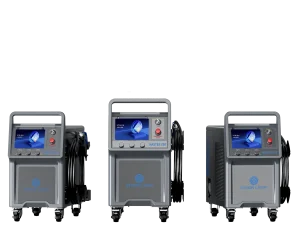
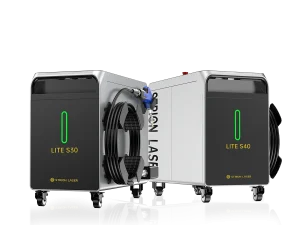
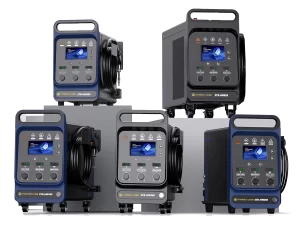
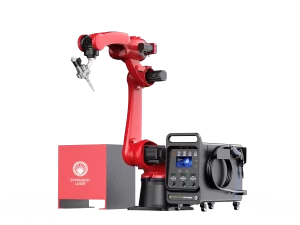
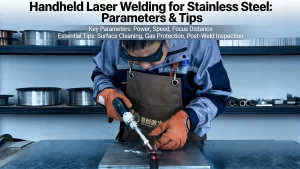
Metal fabrication has always been an essential process in various industries, from automotive to construction, where welding plays a pivotal role in creating strong, durable connections. Over the years, welding technologies have evolved, with advancements in laser welding emerging as a game-changer. One of the most significant developments is the handheld laser welding machine, a versatile tool that is transforming the way metal fabrication is done. This article explores the key benefits of handheld laser welding machines and their growing significance in the fabrication industry.
What Is a Handheld Laser Welding Machine?
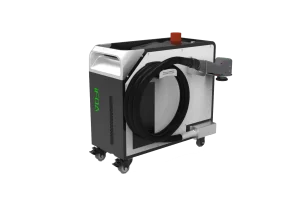
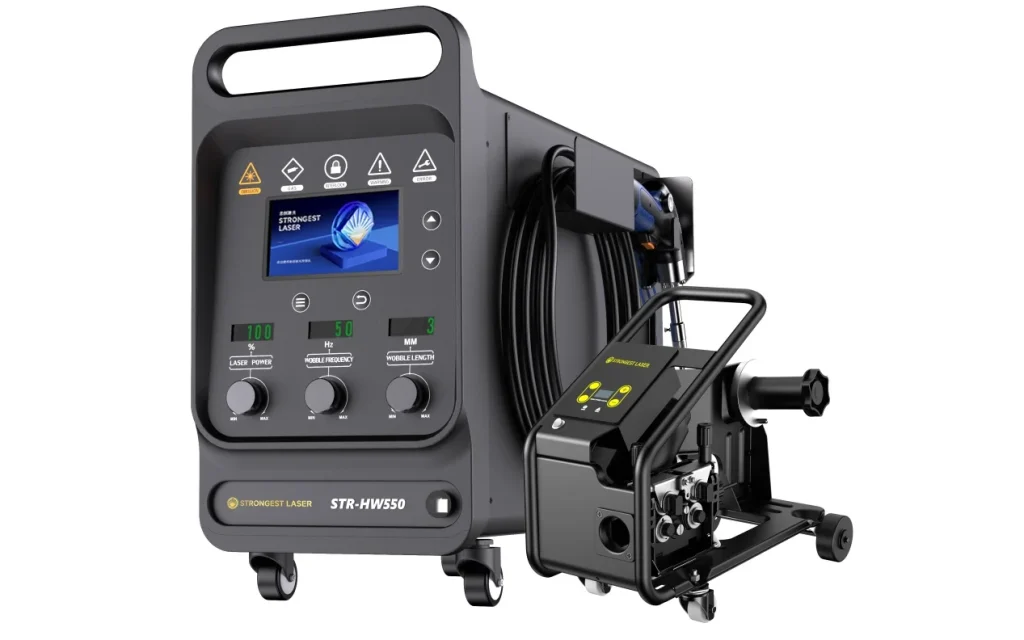
A handheld laser welding machine is a portable welding device that uses a laser beam to melt and join materials, typically metals, with high precision. The machine operates by focusing a powerful laser onto the metal workpiece, creating a molten pool that solidifies to form a strong weld. Key components of the handheld laser welding machine include:
Laser Source: A high-powered laser diode or fiber laser that generates the focused laser beam.
Fiber Cable: Transports the laser beam to the welding gun, ensuring it is properly focused on the workpiece.
Welding Gun: The handheld component where the operator directs the laser beam. It often includes controls for adjusting the welding parameters.
Cooling System: A cooling system to ensure that the laser source and other components remain at optimal temperatures during operation.
Power Ratings: Handheld laser welders typically operate in power ranges from 1000W to 2000W+ for efficient welding of various materials and thicknesses.
Key Benefits for Metal Fabrication
Handheld laser welding machines bring numerous advantages to the table, offering faster, cleaner, and more precise welding solutions for metal fabrication. Below are the key benefits that set them apart:
1. High Welding Speed
One of the standout benefits of handheld laser welding is its exceptionally high welding speed. Compared to traditional welding methods like TIG and MIG welding, laser welding can be 2 to 10 times faster. This significant increase in speed reduces the overall production time, enabling fabricators to complete projects more quickly.
For industries with tight deadlines or large-scale manufacturing needs, the time saved with handheld laser welding can lead to lower labor costs and improved productivity, ultimately making the process more cost-effective.
2. Superior Welding Quality
Handheld laser welding machines provide superior welding quality, producing cleaner welds with minimal spatter. The laser’s precision ensures that the molten metal pool remains stable, which results in smoother seams and fewer defects. This is especially beneficial when welding thin or delicate materials, where traditional methods might lead to distortion or imperfect joints.
Moreover, the reduced spatter and heat input result in less post-processing, such as grinding, polishing, or rework. This further contributes to cost savings and faster turnaround times, making laser welding the preferred choice for high-precision and aesthetically sensitive projects.
3. Precision and Control
The precision and control offered by handheld laser welders are among their most valuable attributes. Laser welding allows for exceptional accuracy, especially when working with thin metals or detailed components. The laser beam can be focused to a very fine point, ensuring that even the smallest areas are welded without affecting the surrounding material.
This precision makes handheld laser welding ideal for complex shapes and work in tight spaces where traditional welding methods might struggle. Its flexibility makes it suitable for a wide variety of welding applications, including those in intricate or challenging environments, such as automotive repairs and aerospace manufacturing.
4. Minimal Heat-Affected Zone (HAZ)
Another major benefit of handheld laser welding is the minimal heat-affected zone (HAZ). The concentrated laser beam melts only a small portion of the metal, causing less heat to spread throughout the workpiece. This is particularly advantageous for materials that are sensitive to heat or have a low melting point, as it reduces the risk of material distortion or warping.
The smaller HAZ also ensures the structural integrity of the components, especially in applications where the material must retain its mechanical properties. This characteristic makes laser welding particularly valuable for delicate components, such as in electronics or fine metal fabrication.
5. Easy to Learn and Operate
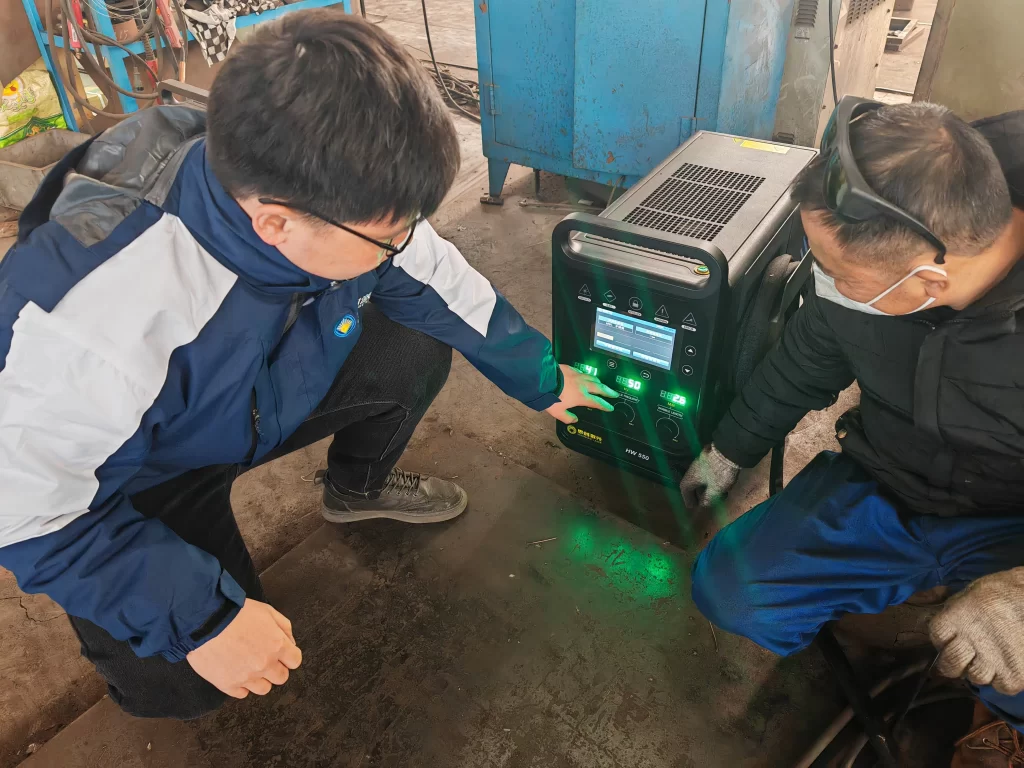
Handheld laser welding machines are designed to be user-friendly, with a relatively short learning curve compared to more traditional welding techniques like TIG or MIG welding. Many handheld laser welders feature touchscreen interfaces, which guide the operator through the process, making it easy to adjust parameters like laser power, speed, and focal length.
These features significantly reduce training time and help new operators get up to speed quickly. The simplicity of operation also means that skilled welders can focus on quality and speed, rather than spending excessive time on adjusting settings or handling complex equipment.
6. Portability and Flexibility
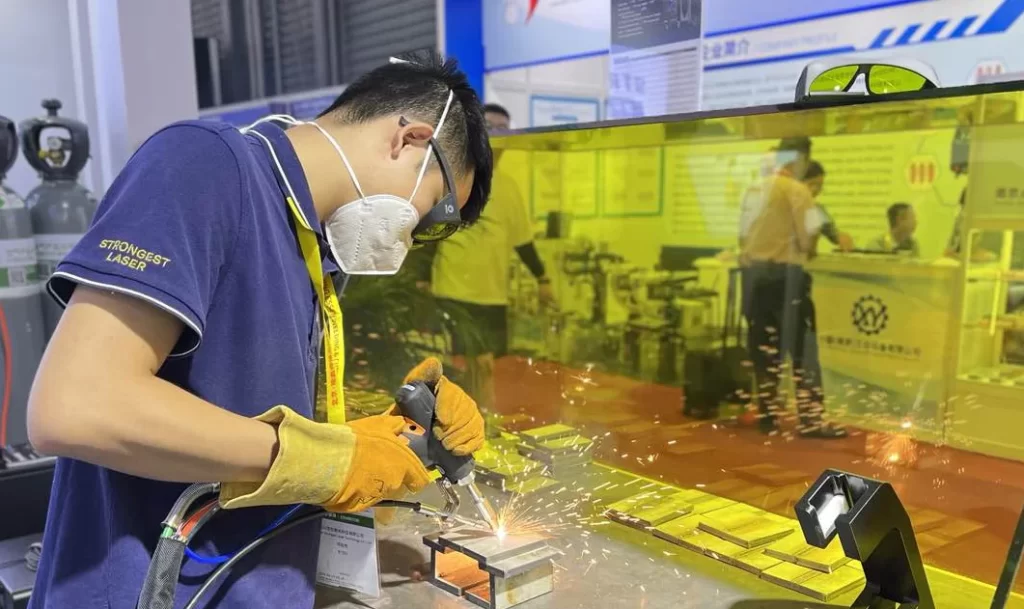
One of the most convenient features of handheld laser welding machines is their portability. The lightweight and compact design make them easy to transport and use on-site, which is particularly useful for field repairs or when working in tight or remote locations. Unlike traditional welding setups that require bulky equipment and a controlled environment, handheld laser welders can be easily moved to the workpiece, reducing setup time and offering more flexibility in how and where welding tasks are performed.
Whether it’s for large-scale manufacturing or on-site maintenance, the ability to perform welding tasks with a portable machine adds significant value in terms of time and space-saving.
7. Low Consumables and Maintenance
Handheld laser welding machines have low consumables and maintenance compared to traditional welding methods. Many laser welders do not require filler material or welding wire, reducing the need for constant replenishment of supplies. In addition, the laser welding process minimizes wear on the equipment, leading to fewer replacements of torch parts and tips.
This means that overall operating costs are significantly lower, and maintenance downtime is minimal. For businesses looking to optimize their cost efficiency, these benefits can greatly improve the bottom line over time.
8. Safer and Cleaner Work Environment
Handheld laser welding creates a safer and cleaner work environment compared to traditional arc welding methods. Since laser welding produces low smoke emissions and no arc flash, it reduces the risks associated with respiratory issues and eye strain that are common with arc welding. Furthermore, many handheld laser welders operate with reduced or no shielding gas, making them safer for the operator and the surrounding environment.
With a significantly cleaner operation, handheld laser welding contributes to improved workplace safety, reducing the need for extensive safety equipment and ventilation systems that are typically required in arc welding setups.
Common Applications in Metal Fabrication
Handheld laser welding is increasingly being used in a wide range of metal fabrication applications, including:
Stainless steel kitchenware: Ensuring clean, strong seams in cookware.
Metal furniture and enclosures: Providing precision and aesthetics for home and office furniture.
Sheet metal components: Ideal for complex welding in automotive and industrial applications.
Automotive repair and production: Used for high-quality repairs and manufacturing of car parts.
Custom metal art and signage: Offering clean welds for intricate and customized designs.
Conclusion
Handheld laser welding machines offer a wealth of advantages for modern metal fabrication. With their high speed, precision, low heat input, and ease of operation, these machines can greatly enhance productivity and quality. As the technology continues to evolve, it is expected that handheld laser welding will play an increasingly important role in industries demanding precision and efficiency. Businesses in the fabrication sector should consider adopting this technology for its many benefits, from cost savings to superior weld quality.